
Marian Kamenistak · Head of Engineering, Head of Development

Head of Engineering Coach & Mentor. For the seat before you get it, and the first year in it.

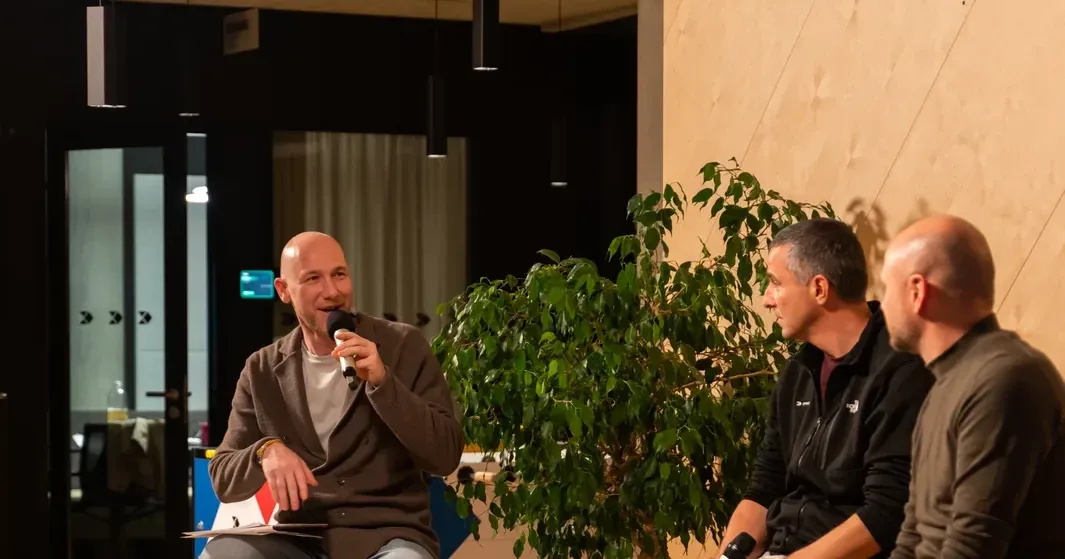
Marian Kamenistak speaking at an engineering leadership event.

Two people read this page. One is a tech lead or engineering manager who wants to become head of engineering at the company they work for now, and the path to it is vague. The other has the title already, and a CEO who expects the whole engineering function to run without being asked about it.

A head of engineering coach is someone who has sat in a seat like this and will pressure-test your next move with you: the scope, the conversation with your CEO, the hire, the quarter. I was VP Engineering at Mews while engineering grew from 8 to 80 teams, and I have run 3,662 1:1 leadership sessions since 2019.

9.79/10 average session rating since 2024.

Do I need a mentor to become head of engineering?

No, a mentor is not required, but it shortens the route. The promotion usually rests on one decision from a CEO or CTO, and you rarely hear what that person is looking for. A mentor who has held the seat tells you which gaps to close first, in which order, and rehearses the conversation with you.

The table shows where people usually start and what we work on first. If you are already in the seat, the last two rows are yours. For the route in plain steps, read how to become head of engineering at your current company. For what the role is and how it differs from director, VP and CTO, read what a head of engineering does.

Where you standThe gap that usually decides itFirst two sessions
Tech lead at a startupThe seat is not definedThe CEO conversation, scope in writing
Engineering manager, 2 to 4 teamsOwning hiring, budget and delivery, not only the teamsOne function you run as if it were yours
Head of engineering, first yearHanding off what got you the jobThe delegation list and the peer conversation
Head of engineering, VP or CTO arrivingScope and route to the CEO changeWhat you want, and the first three meetings

Five situations on the way to the seat, and in it

The situations below are composites. Patterns and numbers from real sessions, people invented, because what happens in a session stays in the session.

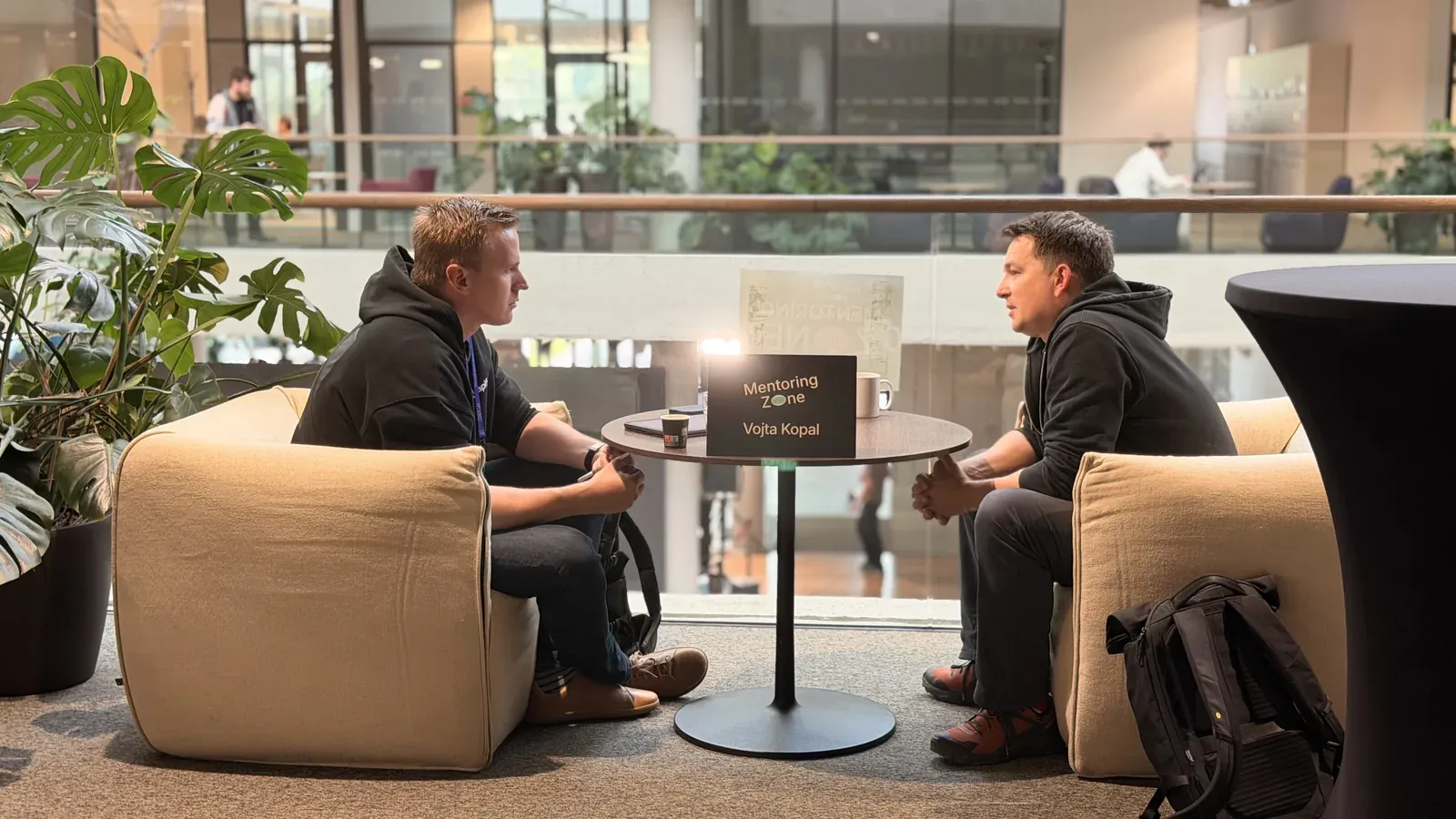
Two engineering leaders in a 1:1 conversation at a community mentoring table, one explaining while the other listens.

Your company has not defined what "head of engineering" means

You lead the tech at a startup of maybe 25 people. The CEO calls you the person who keeps engineering running, and you would like the title one day. You have not asked what the title means here, because asking sounds like asking for a promotion you have not earned yet.

That silence is the first thing to fix. At a startup the seat is whatever the CEO needs it to be this year: hiring, delivery across several teams, a budget, the conversation with investors. Until it is written down, you are training for a job whose description lives in one person's head, and that person may be thinking of an outside hire.

So we start with the CEO conversation, and we rehearse it. What you ask, in which order, and how to ask it without sounding like an ultimatum. Then we turn the answer into three or four criteria you can check yourself against each month.

By session 3 you have the scope in writing from the person who decides, and a short list of gaps ranked by how much each one weighs.
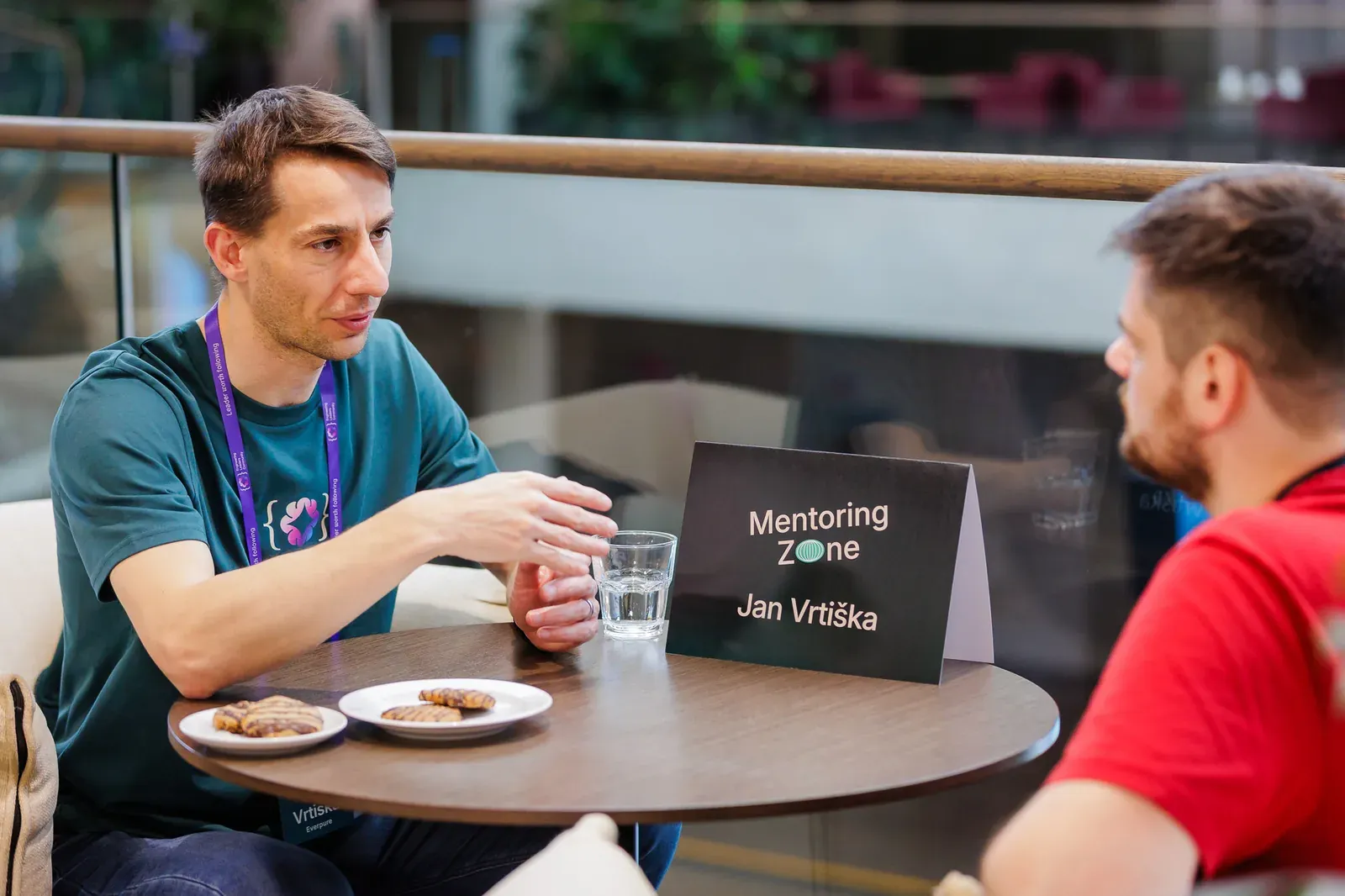

An engineering leader talking with a mentee across a small table at a community mentoring session.

You manage two or three teams and the CEO still asks your best engineer

The title says engineering manager. The CEO sends the architecture question to a senior engineer, the hiring question to you, and the "are we going to make the date" question to whoever is nearest. It works, mostly, and it is also the reason the whole function has not been handed to you.

The jump from manager to head is not more of the same work. A manager makes their teams good. A head makes the system around the teams good: how people are hired, how managers are grown, how delivery is reported, how the money is spent. Those are different skills and you can start practising them from your current seat.

We pick one of those four, whichever hurts most in your company, and you run it as if it were already yours for a quarter. Hiring plan for the next six months, a delivery report the CEO can read in two minutes, the first engineer you turn into a manager. Each one is visible to the person who will decide, which is the point.

Two engineering leaders in armchairs facing each other in a 1:1 at a community mentoring table.

You got the title last month and the company behaves as before

The announcement went out on a Monday. On Tuesday the CEO still wanted to approve a contractor, two teams still escalated to you rather than to each other, and your old peers, now your reports, were polite in a way that felt new.

The first 90 days in this seat are mostly about what you stop doing. Reviewing all the PRs, owning the roadmap alone, being the one who knows how the deployment works. Each of those was a reason you got the job, and each becomes a bottleneck by month three.

We write the list of what you hand off, to whom, and by when. Then the harder one: what you say to the former peer who expected the job and did not get it. That conversation does not go away if you wait, and it is easier in week two than in month five.

By week 12 you have a delegation list that held, a monthly report your CEO asks for on their own, and one clear sentence about what the engineering function owns.

An engineering leader speaking to a mentee during a 1:1 community mentoring session.

The CEO wants one number and you keep bringing stories

Velocity, DORA, incidents, headcount, a roadmap with 14 items. The metrics you show are all true, and the CEO still asks the same question: are we going to make it?

A head of engineering owes the company one answer in a form a non-technical person can use. That means choosing the two or three numbers that move when delivery is at risk, and agreeing with the CEO beforehand what counts as red.

We build that report together, then rehearse the meeting where it is bad news. How to say a quarter will slip and bring the plan in the same sentence. Most heads I work with have the facts. What they lack is the habit of saying them first.

Wide shot of a 1:1 community mentoring session in an atrium, two people in armchairs at a round table.

A VP or a CTO is being hired above you

It can be good news, and it can be the end of your plan. Either way you hear about it from the CEO in a one-to-one, and you have about a minute to decide what your face does.

What changes depends on what the new person is hired to own. A CTO takes the technology and the exec seat, a VP takes the org. The head of engineering underneath either one keeps the teams but loses the route to the CEO, and that route was most of what made the seat feel big.

We work out what you want after the news: to report to the new person and grow, to negotiate a different scope, or to look at the market while you still have leverage in the room. Then we plan the first three meetings with the new boss, because those set how they see you for the next two years.

Wide shot of a mentor and an engineer in a 1:1 at a round table, the engineer listening with his hand on his chin.

Hiring your first two managers from a team of 30 engineers

Thirty engineers and one manager, which is you. The next ten hires will not work unless somebody owns each team. You have two candidates in mind inside the company, and neither has managed anyone.

The risk is hiring faster than you can grow managers. You get a structure that looks right on a slide and is staffed by people who are three months short of ready. I watched that gap at Mews, where we went from 8 to 80 teams.

So we plan from the manager end. Which two people, what you tell them before they say yes, which parts of the job they take first, and what you check in the first six weeks. The org chart for 60 engineers comes after that, not before.

Paying for a head of engineering, or the person next in line?

81% of the people I mentor are sponsored by their company. If you're the CEO or CTO who pays, here is how it runs.

Book the free intro. You get a written plan with the price and terms afterwards. The business case and a forwardable email are ready if you need them, and the program for several leaders covers teams.

Not sure the title is the right target? See the engineering director mentor page and how I work with tech leads and EMs.

The questions I hear most from Head of Engineering, Head of Development

These are the exact asks from mentees in the last 12 months. Bring one to the intro call and we start there.

How mentoring with me works

Free 30-min intro. Two KPIs to move in 3-6 months. Small homework after every session. The full method, step by step:


See how mentoring works →

Frequently asked

How is a head of engineering coach different from a CTO coach?+
A head of engineering runs the engineering function inside the company, usually for 10 to 80 engineers, and reports to a CEO or a CTO. A CTO owns the technology strategy and sits on the exec team. The work overlaps on hiring and delivery, and differs on board and strategy. See what a head of engineering does, VP of Engineering vs CTO and the CTO mentor page.
Will mentoring get me the head of engineering job?+
I cannot promise a promotion. The decision sits in your company, and anyone who guarantees it is guessing. What I can do is make your case concrete: the scope agreed with the person who decides, the gaps ranked, the conversations rehearsed. If the seat is not coming at your company, you also find that out in weeks rather than years. A session you rate under 8 out of 10 is not charged.
Will you tell my CEO what we discuss?+
No. Session notes stay in my private workspace. If your company pays, your CEO or CTO hears progress on the goals we agreed before session 1 and the themes you choose to share. For a head of engineering this matters more than for most, because your CEO is often the person you are talking about.
What does it cost?+
395 EUR per session, or a quarter for 1,975 EUR: 6 sessions over 3 months, 5 paid and 1 free. A session you rate under 8 out of 10 is not charged. The intro call is free. The full terms are on the pricing page. For what the seat pays, see head of engineering salary.
Are you available in US timezones?+
Yes. I'm Prague-based, so European afternoons into early US morning work best, and I keep 1 to 2 late slots a week for the West Coast.

Explore other roles

Why me

Marian Kamenistak, mentor for Head of Engineering

3,662 1:1 leadership sessions since 2019. Mentees rate every session from 0 to 10 right after it. Since 2024 the average is 9.79.

  • Been in the seat. Helped build Mews into a $2bn+ unicorn: 8 to 80 teams, roadmap still shipping. Advisor to Manta (acquired by IBM).
  • CEE-native, US-fluent. 3 years in the Bay Area as Principal Software Architect at Databricks.
  • Still highly technical. AI freak. Bullshit me on estimate, effort, code quality or architecture and I'll ask to see the code or your AI skill set.
  • Financially independent. I don't need your money. I'm financially retired. Seeing you grow is my payoff.
  • Direct. Mentoring first. I boost you fast. No esoteric loops.
The full story →

Leaders at this level I've mentored

Jan Blaško (FTMO) and Tomas Paseka (Whalebone) have worked with me 1:1 for six months each. What they wrote is on the testimonials page.

“What I value most is that Marian doesn't just offer theoretical insights, he translates them into actionable and meaningful steps.”Jan Blaško, Group Head of Engineering, FTMO
“The most valuable outcome was the shift in my mindset — from being a Tech Leader/Architect to becoming an Engineering Leader.”Tomas Paseka, R&D Director, Whalebone

Mentees come from these companies:

AI mentoring fit and book

In 10 minutes you know if we fit, and your first session is booked.

Use Marian's AI tool to evaluate our mentoring fit and book your first session in 10 minutes. It asks what a good first session would ask, sends a formal itemized offer and takes the slot. Same prices as the pricing page. No discount: Marian is an AI freak, and this is a time saver.

Ready to start?

Free 30-min intro. No pricing conversation on the first call. We figure out if we can move your specific problem forward. That is it.

Ordering this for someone on your team? How it works for companies · how to get the budget

From the blog

All posts →