Head of AI, Head of Applied AI, Head of Data & AI

Head of AI Mentor. For the first person in the company to hold the title.

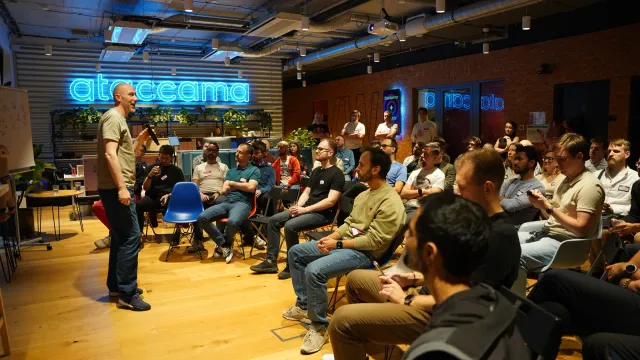
Marian Kamenistak speaking at an engineering leadership event.

Head of AI is the fastest-growing leadership title in Germany and the second fastest in France, Italy, Spain and the UK. Almost everyone holding it is the first person in their company to do so, which means the job description was written after the appointment, usually by the person appointed.

You lead people, a platform, and a growing fleet of agents that other people's teams run. The frameworks for that exist and most of them are fine. What you do not have is anyone who has sat in the seats next to yours and will tell you, every second week, which of this month's decisions is the one that will cost you the year.

9.2/10 from 300 mentees who rated the work.

Four situations Heads of AI bring me

Composite situations. The patterns and the numbers are real and sourced; the people are not. Mentoring is confidential.

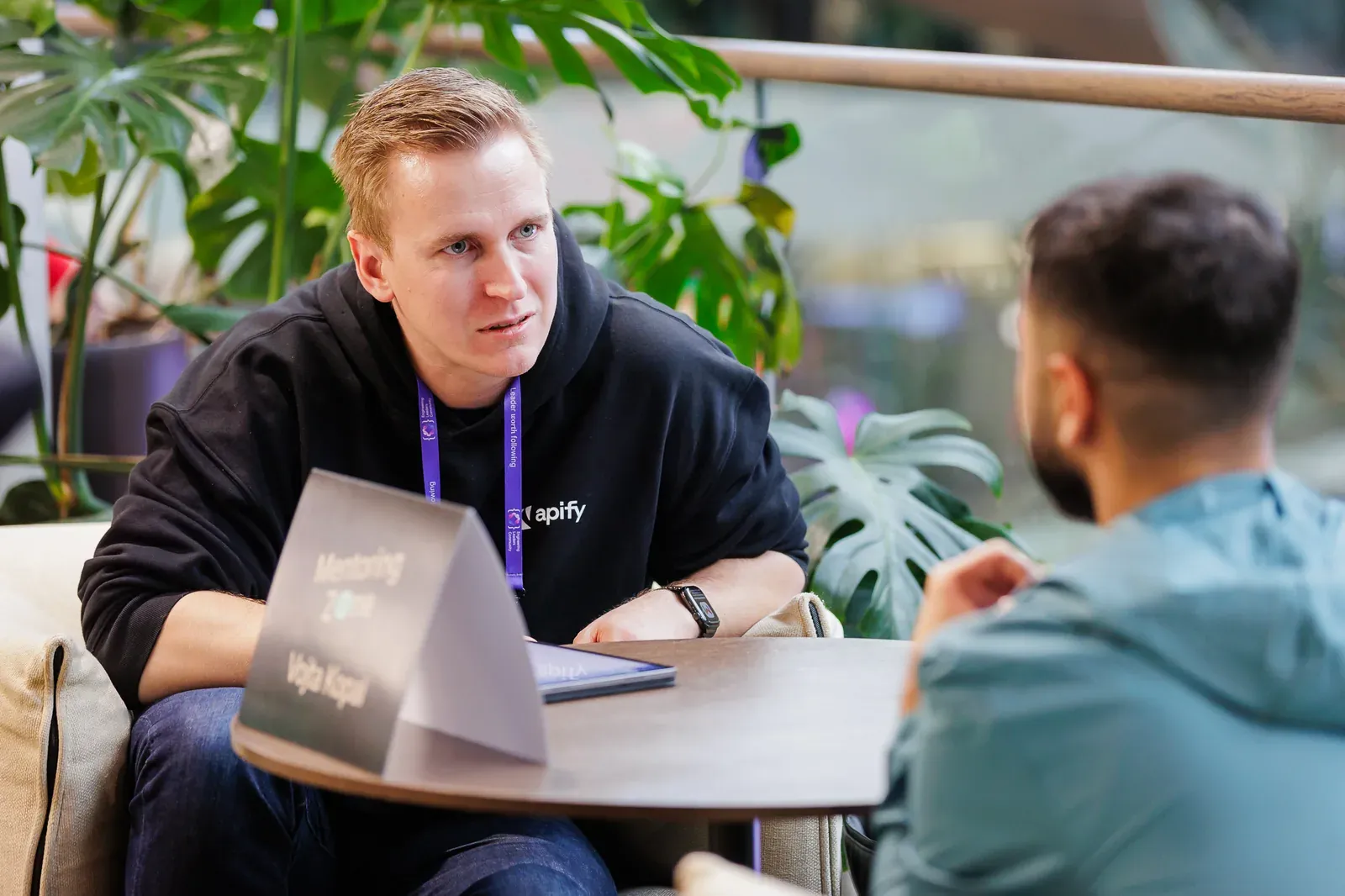
Marian Kamenistak in a 1:1 mentoring session.

The CEO created the role in a board meeting and handed you the AI strategy on Monday

There was no job description. There was a slide that said Head of AI with your name under it, a board that wants a plan by the next meeting, and forty tools already in use across the company that nobody inventoried. You are the first person to hold the title here. There is nobody above you who has held it either.

The mistake in month one is writing the strategy. A strategy you write alone in week two gets read as a land grab by every function head who was already doing something with AI before you arrived, and they will quietly route around it.

So the first artefact is not a strategy. It is an inventory and a map of owners: what runs today, who pays for it, what it touches, what would hurt if it broke. Then a three-tier answer for the board, because AI at your scale is three decisions with different owners: individual productivity, team workflows, product bets. The strategy comes in month three, and by then it is co-signed.

By the second board meeting: a written policy, one dashboard, and an answer to how much of this are we doing and why that holds when a director pushes on it.
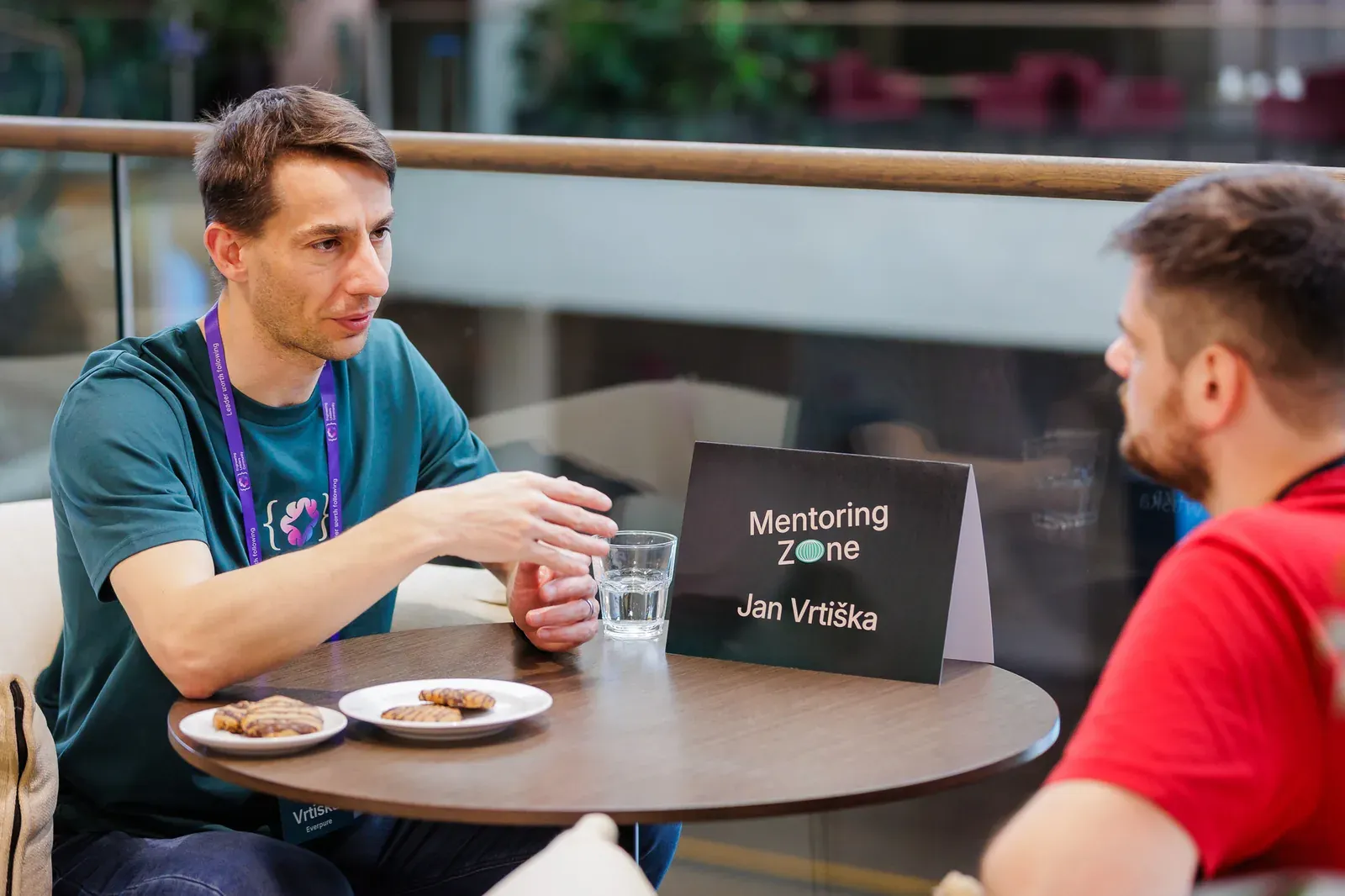

Marian Kamenistak in a 1:1 mentoring session.

You own AI, the CTO owns engineering, and every roadmap fight lands between you

The platform team reports to the CTO. The ML team reports to you. The product teams report to neither and use whatever they found on Hacker News. Every quarter the same argument: whose roadmap does the model gateway sit on, who approves a new vendor, who answers when the customer support bot says something it should not.

Most of these fights are not about AI at all. They are about an org chart that added a seat without removing anything from the seats next to it.

We write the boundary with the CTO in the room, or at least with their draft. Three columns: yours, theirs, shared with a named decider. One escalation path. The point is not winning the columns. The point is that the next fight takes twenty minutes instead of a quarter.

Marian Kamenistak in a 1:1 mentoring session.

Everyone reports AI wins and the finance director asks where the money went

Adoption is at 90 percent. The engineering blog has three posts about it. The support team says tickets are faster. And the finance director has a spreadsheet showing tool spend up four times year on year and headcount unchanged.

Ninety percent of people opened the tool. That is the whole content of the adoption number, and a board member will work that out in the meeting, usually while looking at the delivery chart next to it.

The numbers I would put in front of a board instead: rework and revert rate on AI-assisted work, cycle time delta for the teams that opted in against the ones that did not, and cost per team rather than per seat. Three numbers, one page, sent monthly before anyone asks. We build it in two sessions and you own it from there.

Marian Kamenistak in a 1:1 mentoring session.

You have an ML team, a platform, and a policy doc, and none of the product teams use any of it

The platform works. The policy is signed. The product teams still paste into a consumer chatbot because the internal gateway needs a ticket to get access and the ticket takes a week.

Enablement is the job most Heads of AI underestimate, because it looks like internal marketing and feels beneath the title. It is where the role is won. Microsoft's 2026 Work Trend Index across 20,000 people found that when managers model AI use themselves, their teams' trust in agentic tools rises by 30 points. Nothing in the policy doc moves that number. A manager doing the thing in front of the team does.

So we pick the three teams most likely to succeed, remove the ticket, put you in their standup for a month, and publish what changed. Then the next three. It is slower than a mandate and it is the only version that sticks.

The questions I hear most from Head of AI, Head of Applied AI, Head of Data & AI

These are the exact asks from mentees in the last 12 months. Bring one to the intro call and we start there.

How mentoring with me works

Free 30-min intro. Two KPIs to move in 3-6 months. Small homework after every session. The full method, step by step:

See how mentoring works →

Frequently asked

What does a Head of AI do?+
Three jobs under one title. The platform: models, gateway, data access, cost. Adoption: getting teams to use it in a way that changes their output. Governance: policy, risk, and the answer to the board. Most people in the seat were hired for one of the three and inherit the other two in the first quarter.
Head of AI, CTO, or Chief AI Officer: which one is this?+
Head of AI usually sits one level under the executive team and owns AI delivery and enablement. A Chief AI Officer sits on the executive team and owns AI across every function, including the ones with no engineers. The CTO owns engineering. When two of those seats exist without a written boundary, the boundary is the first thing we build. The CAIO version of this page: Chief AI Officer coach.
Is Head of AI a technical role or a business role?+
Both, and the ratio shifts by the quarter. The first quarter is mostly technical: what runs, what breaks, what it costs. From the second quarter on it is mostly organisational, and people hired from a research background tend to find that the harder half. That is usually where mentoring starts.
How fast is the role growing?+
LinkedIn's Jobs on the Rise 2026 puts Head of AI as the fastest-growing title in Germany and the second fastest in France, Italy, Spain and the UK, measured on job starts from January 2023 to July 2025. Source: LinkedIn Jobs on the Rise 2026, Europe. No Czech or Polish edition exists yet.
What does Head of AI mentoring cost?+
Public pricing. 395 EUR per session, or a quarter of 6 sessions for 1,975 EUR with one of them free. A session you rate under 7 out of 10 is not charged. Details on the pricing page.

Explore other roles

Why me

Marian Kamenistak, mentor for Head of AI, Head of Applied AI, Head of Data & AI

9.17/10 average across 300+ mentees. 3,400+ mentoring sessions since 2019.

  • Been in the seat. Built Mews into a $2bn+ unicorn: 8 to 80 teams, roadmap still shipping. Led engineering at Manta before that, acquired by IBM.
  • CEE-native, US-fluent. 4+ years in the Bay Area as Principal Software Architect at Databricks.
  • Still highly technical. AI freak. Bullshit me on estimate, effort, code quality or architecture and I'll ask to see the code or your AI skill set.
  • Financially independent. I don't need your money. I'm financially retired. Seeing you grow is my payoff.
  • Direct. Mentoring first. I boost you fast. No esoteric loops.
The full story →

The one discount, on every package

16 minutes. 10% off.

One quarter lists at €1,975. Build the inquiry with my AI and the same six sessions come to €1,778 — €296 a session. No more than 16 minutes from the first question to a formal itemized offer in your inbox.

Ready to start?

Free 30-min intro. No pricing conversation on the first call. We figure out if we can move your specific problem forward. That is it.

From the blog

All posts →