Product Manager

Product Manager Coach & Mentor. For the PM whose engineering team doesn't trust them yet.

Half of what looks like a PM problem is an engineering-partnership problem. The EM doesn't trust you. The trio is a slide. Prioritisation is a vote you keep losing. And discovery is changing faster than anyone has bothered to explain to you.

You don't need another PM course. You need somebody who sat on the engineering side of that partnership for fifteen years to pressure-test the conversation you're having on Tuesday.

9.2/10 from 300 mentees who rated the work.

Six situations product managers bring me

Composites. Every pattern here came out of real sessions; the individuals are invented, because sessions are confidential.

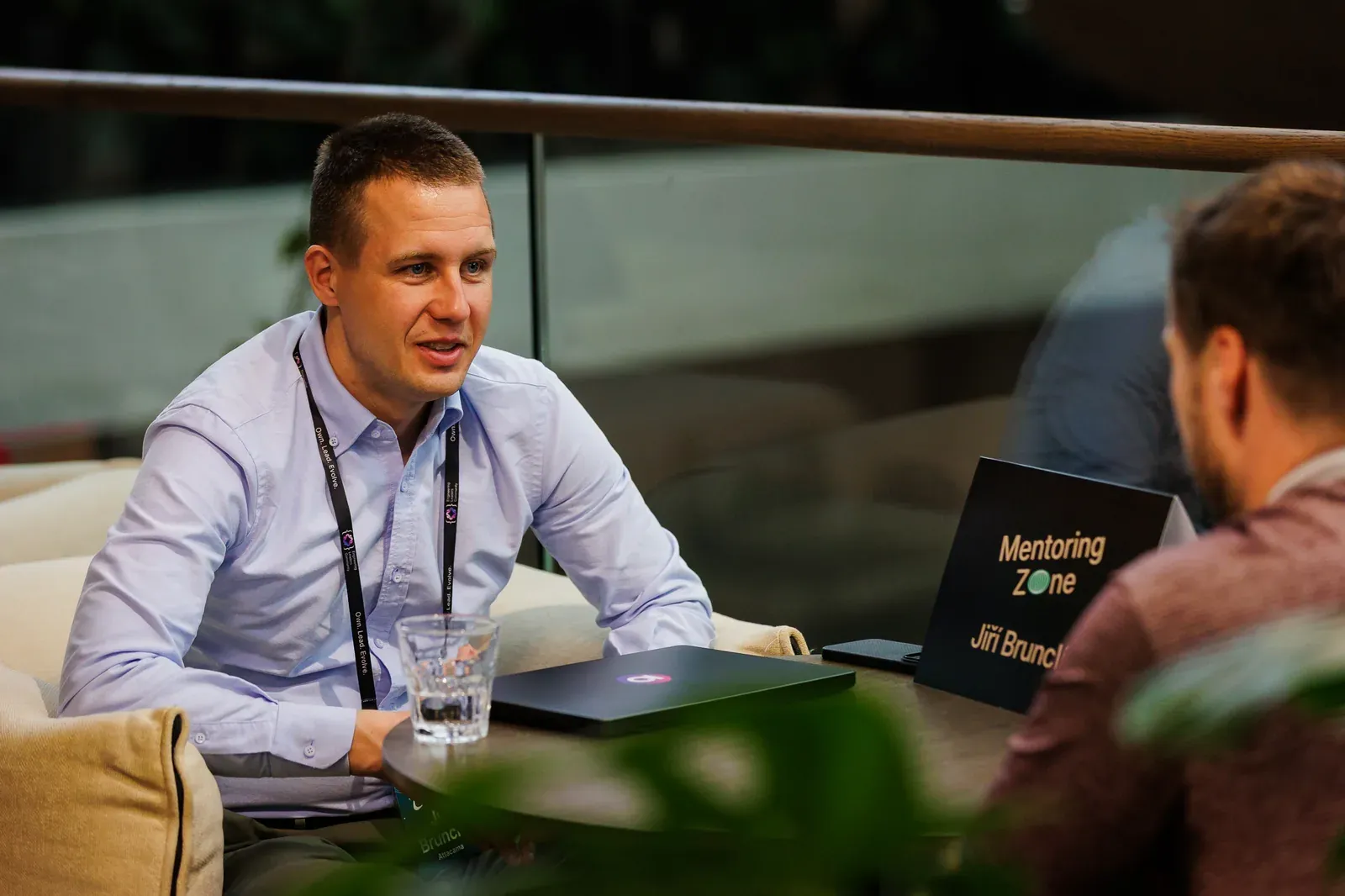
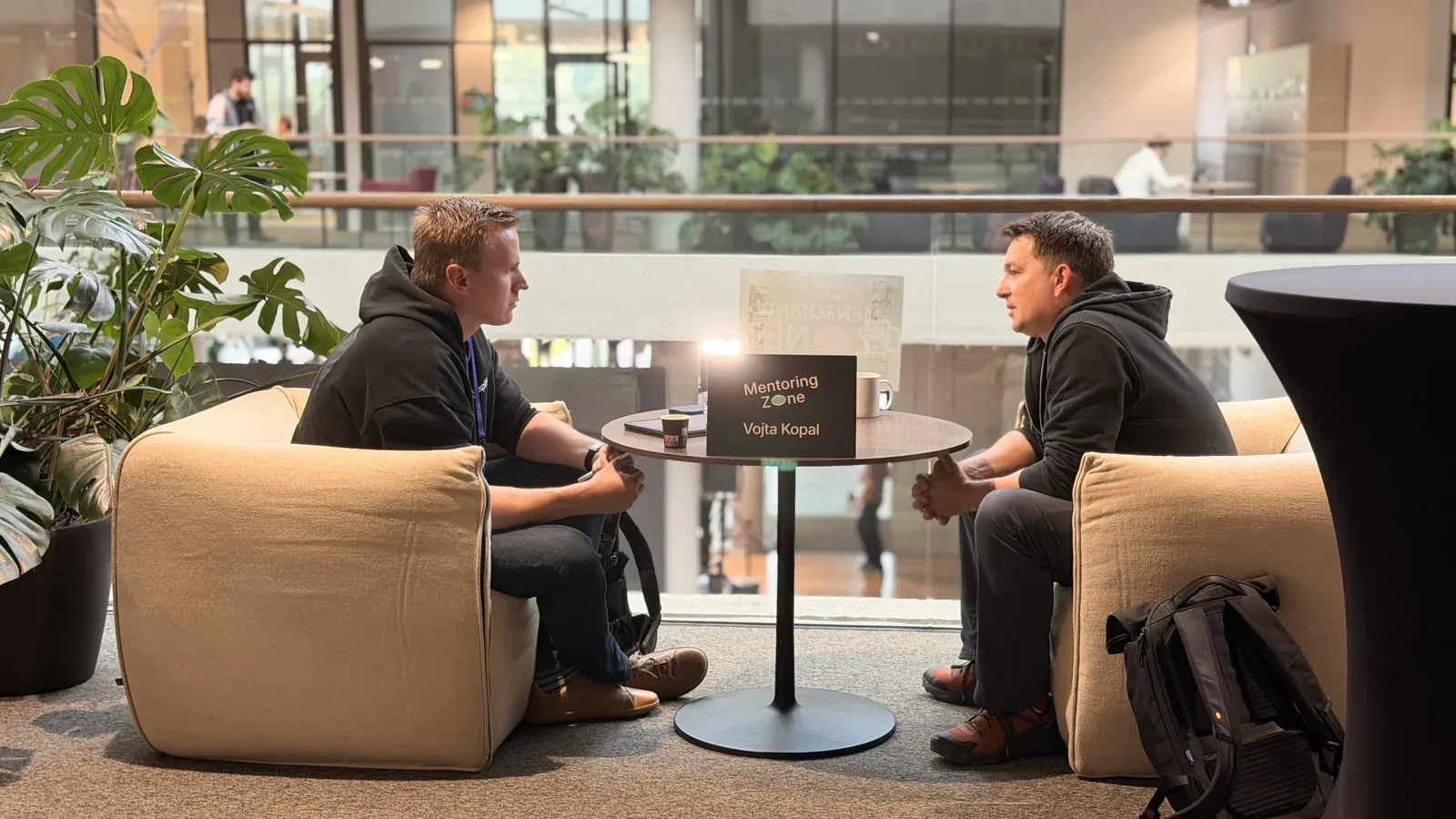
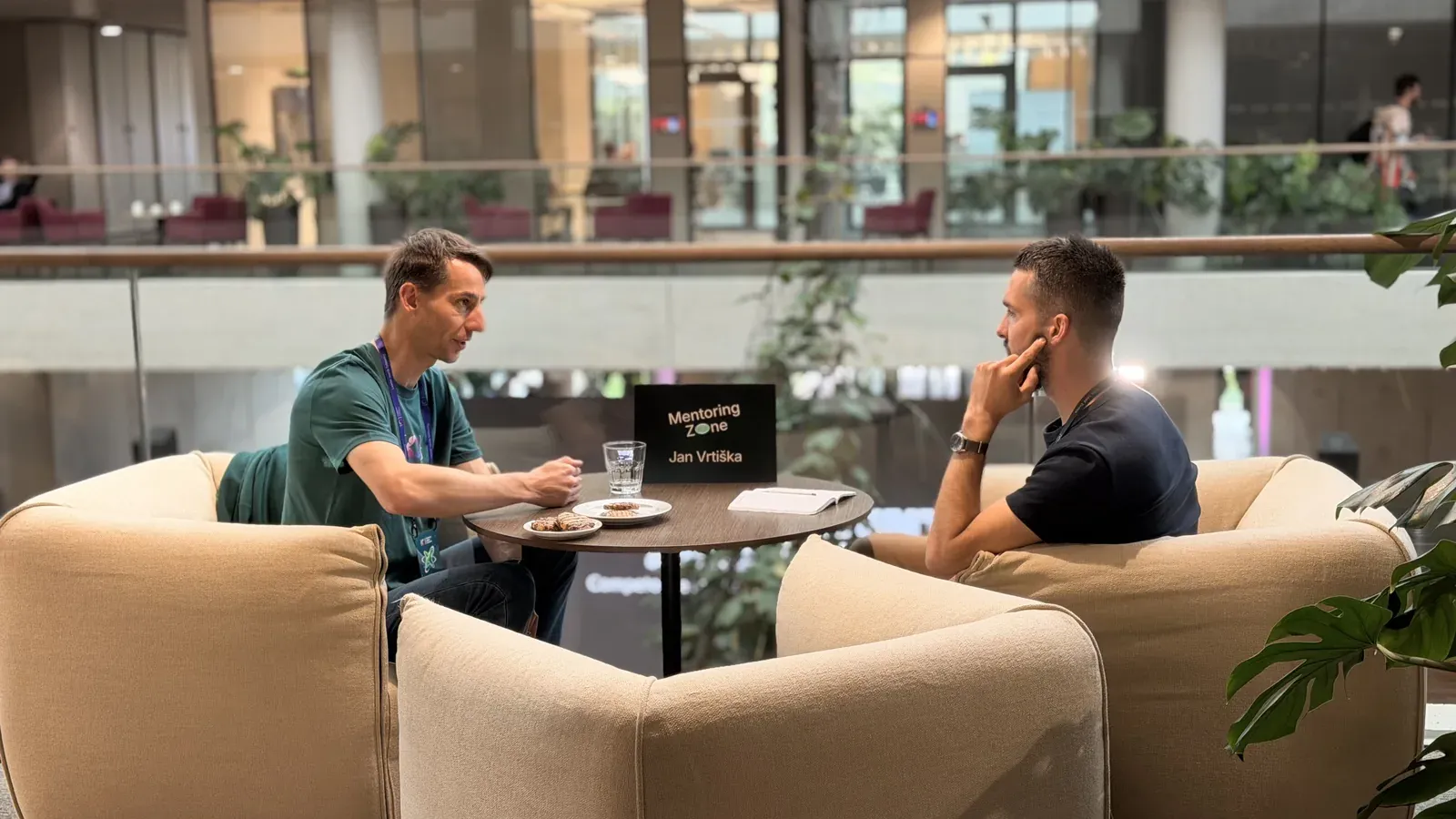
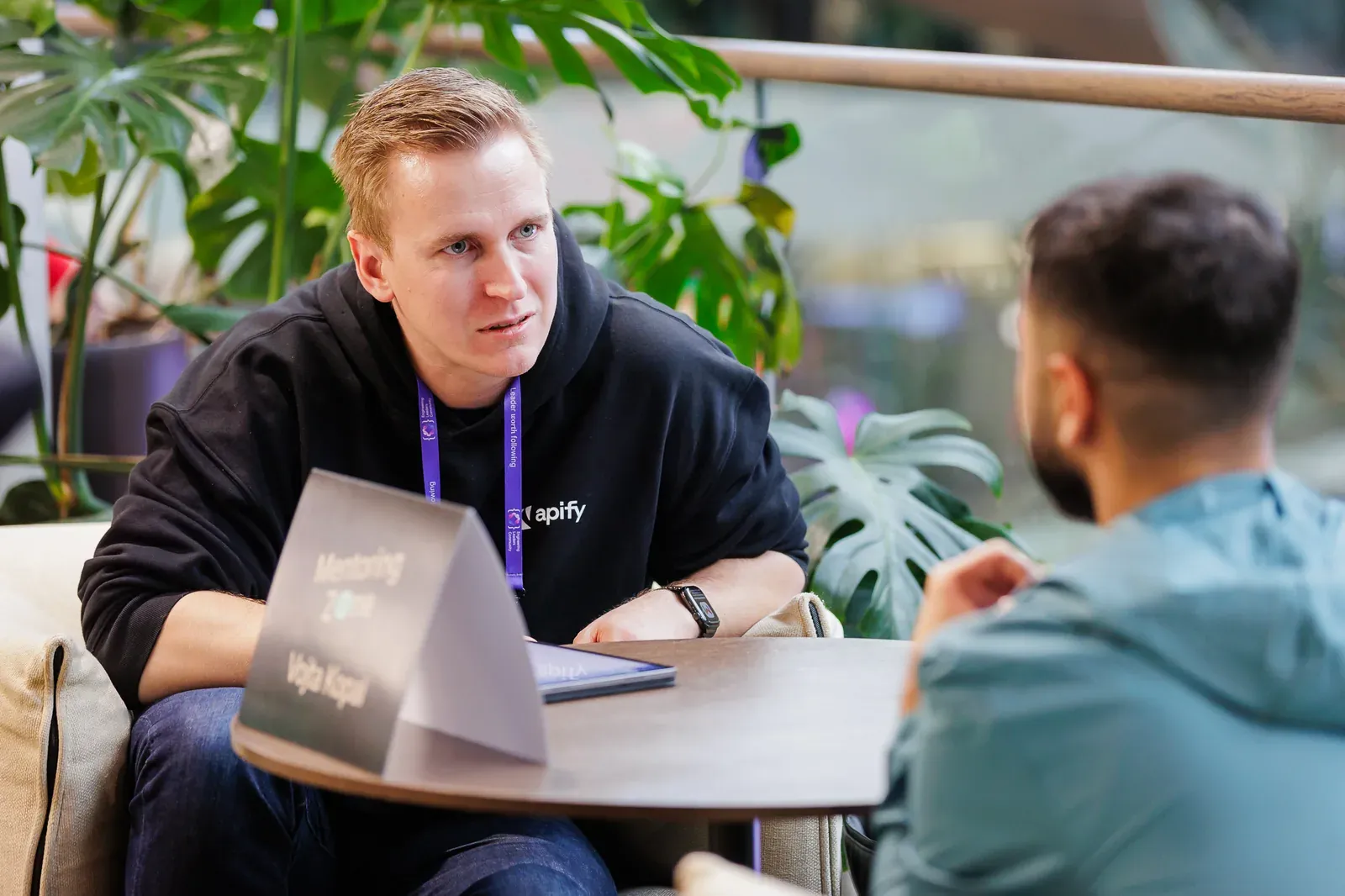
Marian Kamenistak in a 1:1 mentoring session.

Engineering doesn't trust you and nobody will tell you why

You did the discovery. You wrote the PRD with real data in it. You took it to grooming and your EM handed it back with why do we care about this. You're burning half your week on fights that PMs at other companies seem not to have, and you're fairly sure your EM said something to the VPE last week, because the tone in standup changed.

Trust gaps with engineering are nearly always one of three things, and they're distinct enough that guessing wrong costs you a quarter. Credibility: they think you don't understand what you're asking them to build. Consistency: you moved priority twice this quarter and they rebuilt around it both times. Or care: they think that when the CTO leans on you, you won't be standing in front of them.

The third is the most common and the least talked about, and it's the only one that better documents can't touch. It gets repaired by being seen to absorb a hit on their behalf, once, in public.

So we work out which one you have, usually by looking at when the coldness started rather than at what it looks like now. Then one specific conversation, rehearsed, carrying one behaviour you commit to and one you ask for. By week 6 the gap has been named out loud and both sides have moved something visible.
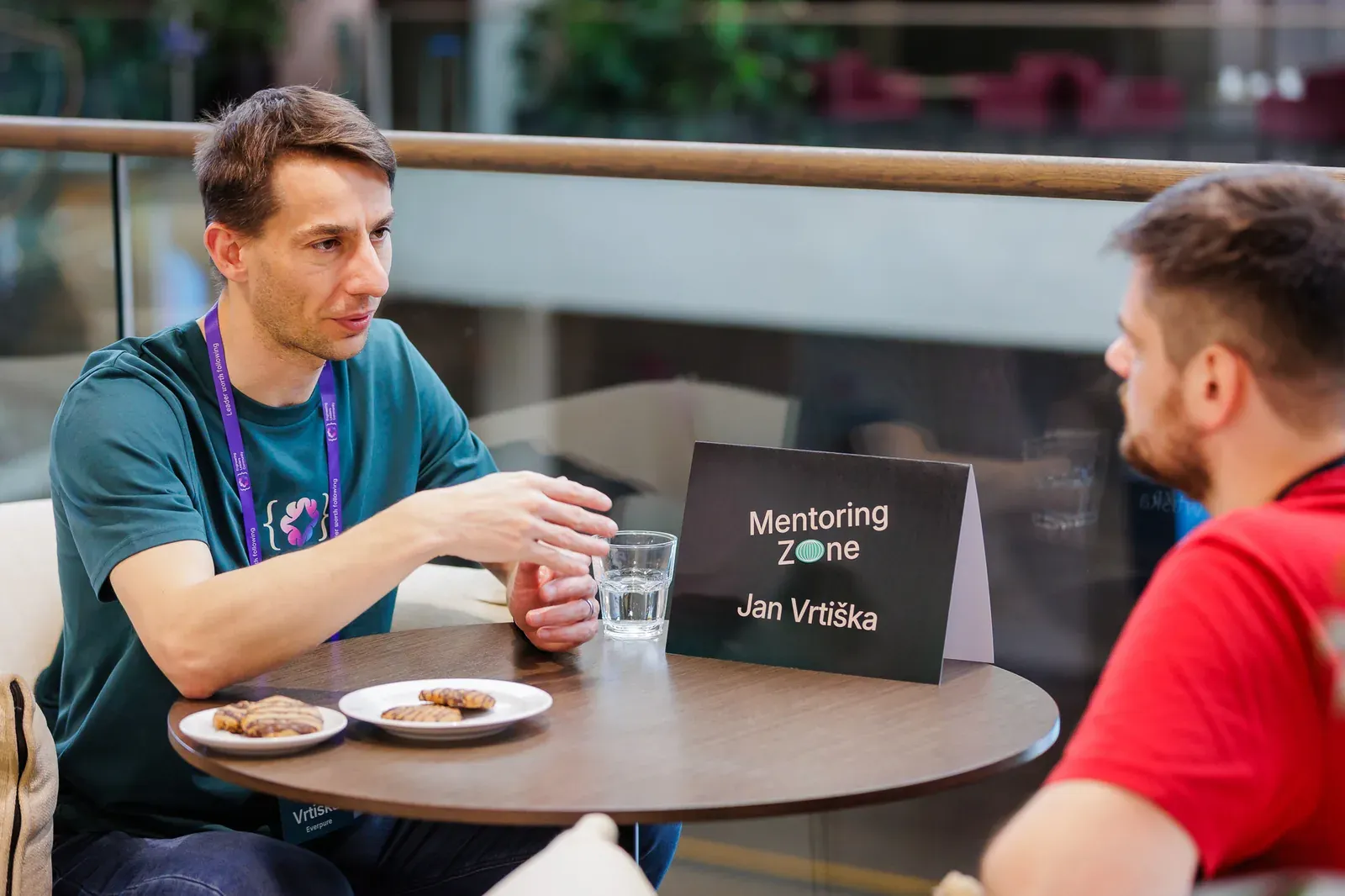
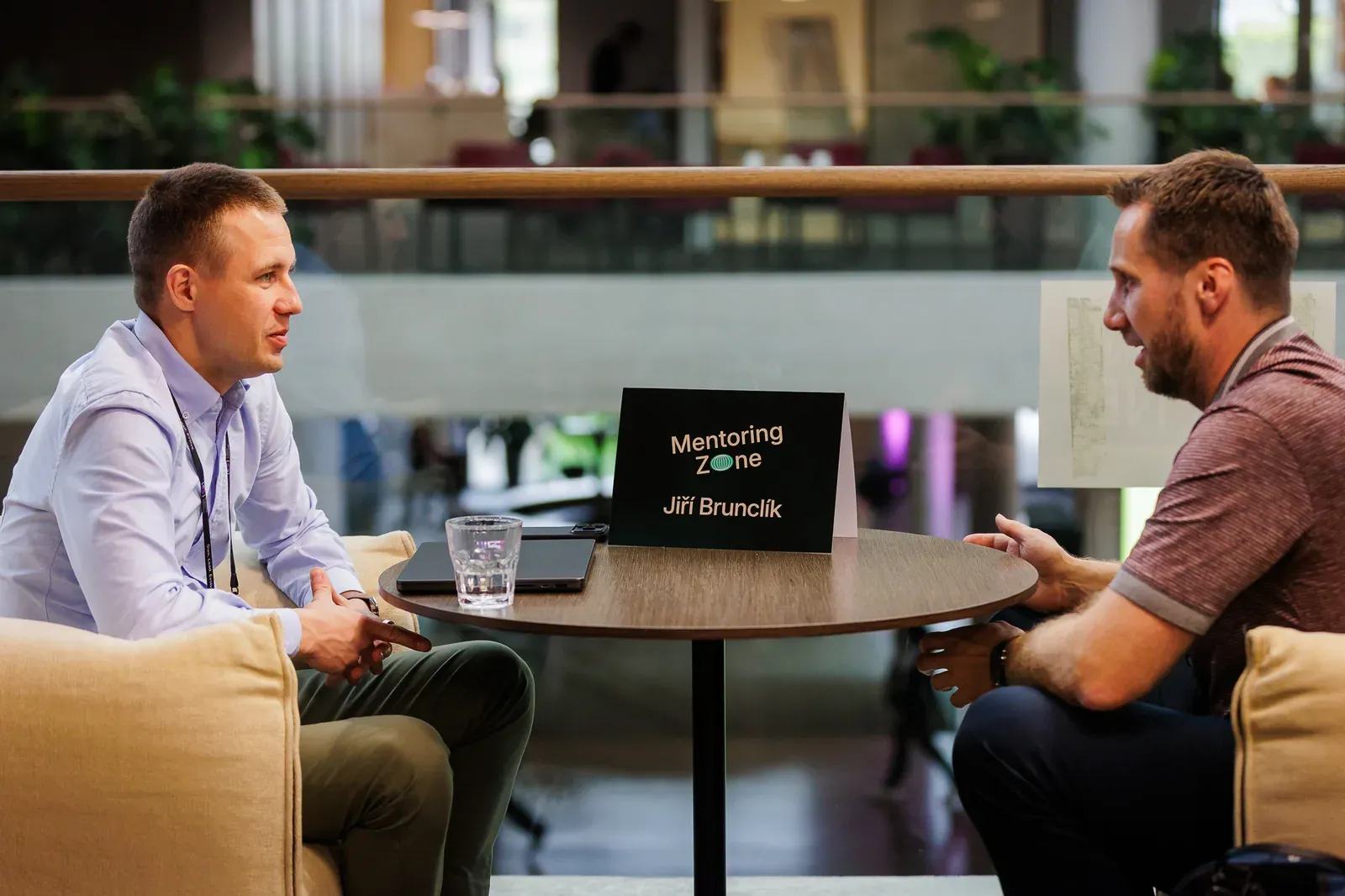
Marian Kamenistak in a 1:1 mentoring session.

The trio meets, disagrees, then writes three separate documents

You, the EM and the designer are nominally a trio. In practice you meet at planning, disagree at grooming, and each go away and write your own document. Delivery slips and nobody can say whose fault it was. Your CPO asked last week how the trio is working and you lied.

Trios tend to fail for a duller reason than misalignment. The three of you have never agreed what state a thing must be in before it leaves discovery, so each of you applies a private standard and reads the others as sloppy or slow. It's also worth checking whether your designer is split across three teams, because a trio with a one-third designer is a duo with a consultant.

We write the agreement down: what leaves discovery and in what shape, the cadence on each side, and who calls the meeting when something is stuck. Then you and I work the reset conversation with your EM line by line, which is where this lives or dies. By week 4 there's a signed agreement and a real answer for your CPO.

Marian Kamenistak in a 1:1 mentoring session.

You prioritise by whoever spoke last

The CEO said it Monday, sales said it Wednesday, support has an escalation, and engineering has the tech-debt work you promised them last quarter. Every prioritisation call feels like a vote you're losing, and half your backlog is P0 because P0 was easier than telling somebody no.

A framework on its own won't rescue this, and you've likely proved that already with a RICE spreadsheet nobody opened. Frameworks fail here because the problem isn't ranking. It's that you're the only person absorbing the cost of a no, repeatedly, in one-to-one conversations where you are outnumbered by design.

So we do two things. A scoring model that reflects how your company genuinely makes money, which might be RICE or WSJF or something weighted for your business. Then the part that matters more: moving the no out of your inbox and into a forum where the tradeoff is visible, so that saying yes to sales visibly costs support something, in front of both of them.

We rehearse the first hard no, including the follow-up two days later when it gets re-asked in a different wrapper. By week 6 there's a written model, one no that held, and a backlog with fewer than five P0s in it.

Marian Kamenistak in a 1:1 mentoring session.

You measure in features shipped and your CEO measures in revenue

Your roadmap tracks features. The board asks about outcomes. Your engineering team says, accurately, that they shipped what you asked for. Nothing moves the top line and nobody in the building feels responsible for that. You know outcome-based roadmaps are the answer, and you also know switching mid-quarter makes things worse before they get better.

You're right about the second part, which is why I wouldn't switch mid-quarter either.

What you can do this week is add a hypothesis line to every planned feature: what should move, roughly how much, and by when. That costs you a morning and changes the conversation, because a feature with a stated expectation either delivers or teaches you something, while a feature with no expectation can only be shipped.

Then at the quarter boundary we redraw the roadmap in outcomes properly, with one small dashboard your CEO will genuinely open and your engineers won't roll their eyes at. Those are different audiences and the temptation is to build two. Build one.

By week 8 the roadmap is outcome-shaped and your team can answer why does this matter without glancing at you first.

Marian Kamenistak in a 1:1 mentoring session.

Your engineers prototype in Claude Code before you've written the PRD

You're still running interviews the way you were taught. Your VPE is asking about AI-first workflows. Your engineering team wants to build the thing before you've specified it. Your CPO shipped an AI feature last month with no PRD at all. The old discovery-to-delivery sequence is coming apart and nobody has handed you the replacement.

Nobody has the replacement, including me, and I'd be wary of anyone selling a finished playbook for something eighteen months old.

Two things do seem to hold so far. Prototyping got cheap enough that building the thing is often faster than specifying it, which inverts the order of discovery for a whole class of feature. And user interviews became more valuable rather than less, because everybody now has access to the same synthesised opinions and almost nobody has access to your users.

So we redesign your loop around that: where a prototype replaces a PRD, which discovery signals still earn their time, and where the human conversation is now your only durable advantage. By week 6 you have a written playbook for your team and one AI-first prototype that shipped, and the second one is what your CPO will care about.

Marian Kamenistak in a 1:1 mentoring session.

You want Head of Product and the seat above you is not moving

Two years running a product area. Comp flat. Your CPO isn't going anywhere and the company won't invent a VP Product role to solve your problem. Every recruiter DM feels like an admission of something, and staying feels like waiting for a thing nobody ever promised you.

There are three honest options, and most people avoid choosing by half-doing all three at once. Expand scope where you are and take the title later. Push for the title now on the strength of what you already run. Or run a genuine external search, deliberately, against a date. Each has a first move, a cost, and a version of year one you can look at before committing to it.

We build the artefact for each so you're comparing real things rather than moods, you pick one, and we rehearse the CPO conversation for the one you picked, up to and including how you respond if they say no to it. By week 8 there's a chosen path and a first move in the calendar.

The questions I hear most from Product Manager

These are the exact asks from mentees in the last 12 months. Bring one to the intro call and we start there.

How mentoring with me works

Free 30-min intro. Two KPIs to move in 3-6 months. Small homework after every session. The full method, step by step:

See how mentoring works →

Frequently asked

What if my real block is my CPO, not engineering?+
Then that's what we work on. A good half of the PM asks I get turn out to be influence-up problems wearing a delivery costume. Nothing on the topic list is off-limits, including your boss.
I have four sessions before a launch. Is that enough?+
For one thing, yes. We pick the thing that decides the launch and work backward from the date, and you leave each session with the thing made rather than scheduled.
Will you critique my PRD properly, or be polite about it?+
Yes, and specifically where and why, because bad PRD on its own is not useful feedback. Then we fix it together. Direct answers first, the harder questions later once there's room.
What if I want to move from PM into engineering leadership eventually?+
Good, and it's a more travelled path than it looks. I've coached several PM-to-EM and PM-to-VPE transitions. We'd sequence the moves that build the credibility for it, which mostly means owning something technical enough that engineers vouch for you unprompted.
You're an engineering mentor. Why do you coach PMs?+
Because half of what PMs bring me is an engineering-partnership problem, and I spent fifteen years on the engineering side of that partnership before coaching both since 2019. It's an unusual angle and it's the reason PMs end up here.

Explore other roles

Why me

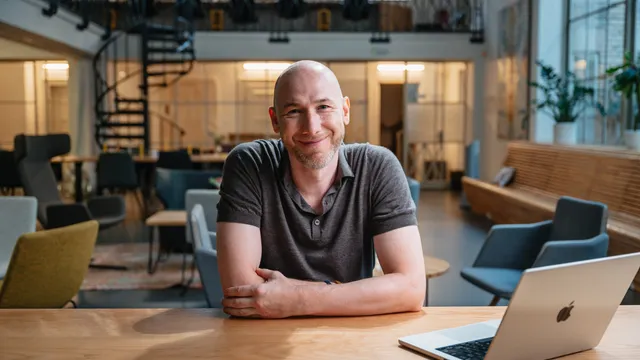
Marian Kamenistak, mentor for Product Manager

9.17/10 average across 300+ mentees. 3,400+ mentoring sessions since 2019.

  • Been in the seat. Built Mews into a $2bn+ unicorn: 8 to 80 teams, roadmap still shipping. Led engineering at Manta before that, acquired by IBM.
  • CEE-native, US-fluent. 4+ years in the Bay Area as Principal Software Architect at Databricks.
  • Still highly technical. AI freak. Bullshit me on estimate, effort, code quality or architecture and I'll ask to see the code or your AI skill set.
  • Financially independent. I don't need your money. I'm financially retired. Seeing you grow is my payoff.
  • Direct. Mentoring first. I boost you fast. No esoteric loops.
The full story →

The one discount

16 minutes. 16% off.

The First quarter lists at €2,580. Build the inquiry with my AI and the same six sessions come to €2,166 — €361 a session. No more than 16 minutes from the first question to a formal itemized offer in your inbox.

Ready to start?

Free 30-min intro. No pricing conversation on the first call. We figure out if we can move your specific problem forward. That is it.

From the blog

All posts →