Situation
“I feel like my 1:1s could work better. There is room for enhancement, but I’m not sure where or how.”
If that’s you, this post is the ammunition.
The slot
I use a 60-minute allocation:
- 45 minutes for the invite and talk
- 5 minutes for the summary and writing action items with specific owners (including me)
- 10 minutes to prep for the next talk
Cadence
- On-demand, no hard rule. I default to bi-weekly, weekly for the first 3-6 months with a new starter.
- Bi-weekly for ICs, weekly for managers.
- Tip: Group your 1:1s into 1-2 days. Don’t spread them across the whole week.
Ownership
- Ask your direct report to send you the invite. The 1:1 is theirs, not yours. Provide a time window.
- Reschedule, don’t cancel. The message that spending time with them matters is essential.
- Written agenda in the invite. Add a link to notes / action items.
Foundation: the first 4 sessions build trust
Before we run a regular 1:1 agenda, we HAVE TO build trust. Nobody responds openly to “how are you doing” unless the trust is real. These are the initial 4 sessions I run:
Session #1: “I’m human”
- I open up my profile: who I am, how to communicate with me, my principles, my way of working.
- I ask about their professional and personal interests.
- I state the message clearly: “Your success is my success.”
Session #2: “We have a clear mission”
- Make sure they understand our strategy, our current roadmap, and what opportunities are ahead.
- Without this, we can’t expect them to make aligned decisions during planning or prioritisation.
Session #3: “I want you to succeed”
- Find the most valuable career ambitions and personal goals in the 6-24 month window.
- Pick the right steps. Write down the IDP/PDP (a sheet is fine, no tool needed).
- What might get in the way? How do we avoid it?
Session #4: “I’m ready to help”
- What areas do you want the most support with?
- What’s the best way to give you feedback?
Only after these four, we can move on to the typical 1:1 agenda.
The core 1:1 agenda
- Greetings: eyes, smile, attitude.
- Start with “How can I help you?” in the very beginning. No status updates. Our roles change: they are above you.
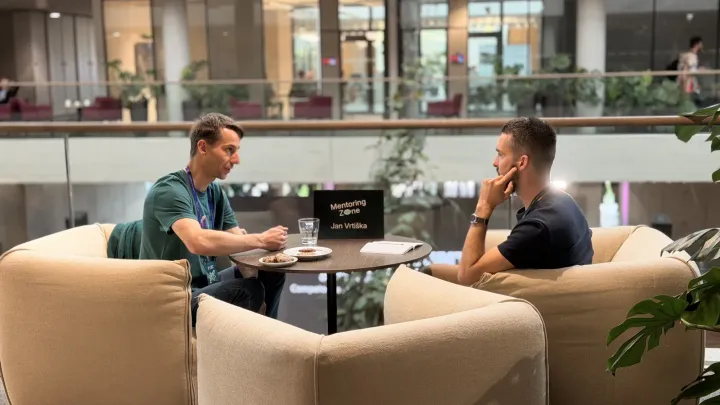
- Review your notes and action items. Lead by example.
- Set priorities: “What is the topmost thing you focus on?” Too many answers → no scope. No answer → no alignment.
- Growth: “How are you doing with your IDP/PDP?” Ask monthly. Ask it once a quarter and you signal their growth isn’t important.
- Only then, open operational topics.
- Write down action items and assign owners. Note it in a tool. Spreadsheet is fine. Tip: use a separate issue type in Jira. What’s not on the board doesn’t exist.
- Provide feedback. Energise on small wins: “I enjoyed seeing…” Or the negative: “I was troubled to see…”
- Be grateful and human: “Thanks.” Plant the top outcome.
Tip: Resist jumping to solutions right away. Understand the motivation and the priority first. Then guide, don’t rescue. Teach them to handle the situation on their own next time: “Have you communicated with X? Have you prepared Y? Have you thought of Z? Have you come up with a proposal before asking?”
Teaching people to take ownership makes the company scale. Otherwise, you become the bottleneck.
Async 1:1
- Build a direct private channel with each direct report.
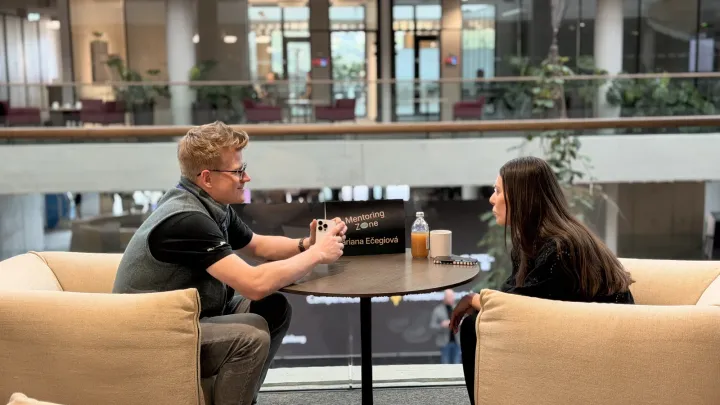
- Put meeting notes, action items, and ownership there.
- Build an automated nudge: “Put your topics / thoughts / notes continuously.”
- Semaphore rule: if a report writes a message with a red flag, we resolve it instantly, not at the next session.
Signals it’s working
- The direct report talks more than you.
- Status updates take a small share of the time; those belong in review meetings and transparent roadmaps.
- Most importantly: you feel the connection. Trust. Purpose.
When you run out of topics
Check 1on.one. Or walk. Instead of closing yourself in a room, make it informal and walk to a coffee / tea / lunch.
”My manager s**ks”: the IC’s playbook
Individual contributors expect managers to set up the right environment. How about managing up?
- Ask “Can I take something off your plate?”
- Build a shared Slack channel or spreadsheet where you put the pre-agreed growth plan.
- Ask to change the cadence or adjust the typical agenda.
The mission
Write down your company’s 1:1 guideline as a document in the knowledge base, not as a process. Guidelines survive. Processes decay.
The more we help raise first-time engineering managers in our territory, the faster our local companies match Berlin and London.