A clear, no-BS path to your next engineering management role.
Burned out. Bored. Not growing. That’s how many engineering managers describe their current roles. But when I ask, “ What exactly do you want next?”, most of them go quiet.
Finding the right engineering management role isn’t easy.
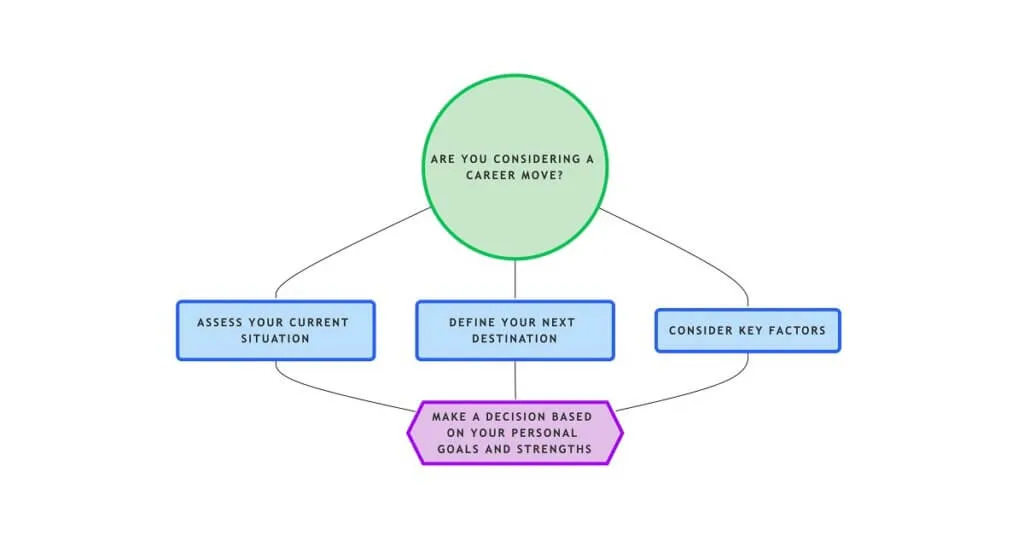
You know something’s off, but can’t figure out what to do about it. No direction. No clear next step. That’s why I developed a simple, structured approach to help EMs get clarity and make intentional career moves.
I’ve guided many EMs through this process, and I do it well because I know the Czech tech scene inside out. That lets me offer compatibility-based advice that most hiring agencies simply can’t.

Thinking about making a change? Don’t rush into another random job. Maybe you’re scaling a startup team, maybe you’re growing your leadership impact, or maybe you’re planning your next big leap. Either way, start here.
Ask yourself these 10 questions first.
1. Why do you want to leave?
If your answer is just “I’ve had enough,” that might be emotion talking, not a real signal to move.
If it’s a clear case of misalignment, burnout, or blocked growth, then it’s time to dig deeper. Not all discontent means you should leave. But if it does, be sure you know why you’re walking away.
2. Where do you want to go?
This shapes everything else. Your next engineering management role should be a step toward something rather than an escape hatch. People say they want growth. Great. What kind?
- Director?
- CTO?
- CEO?
- Product leader?
- Staff engineer?
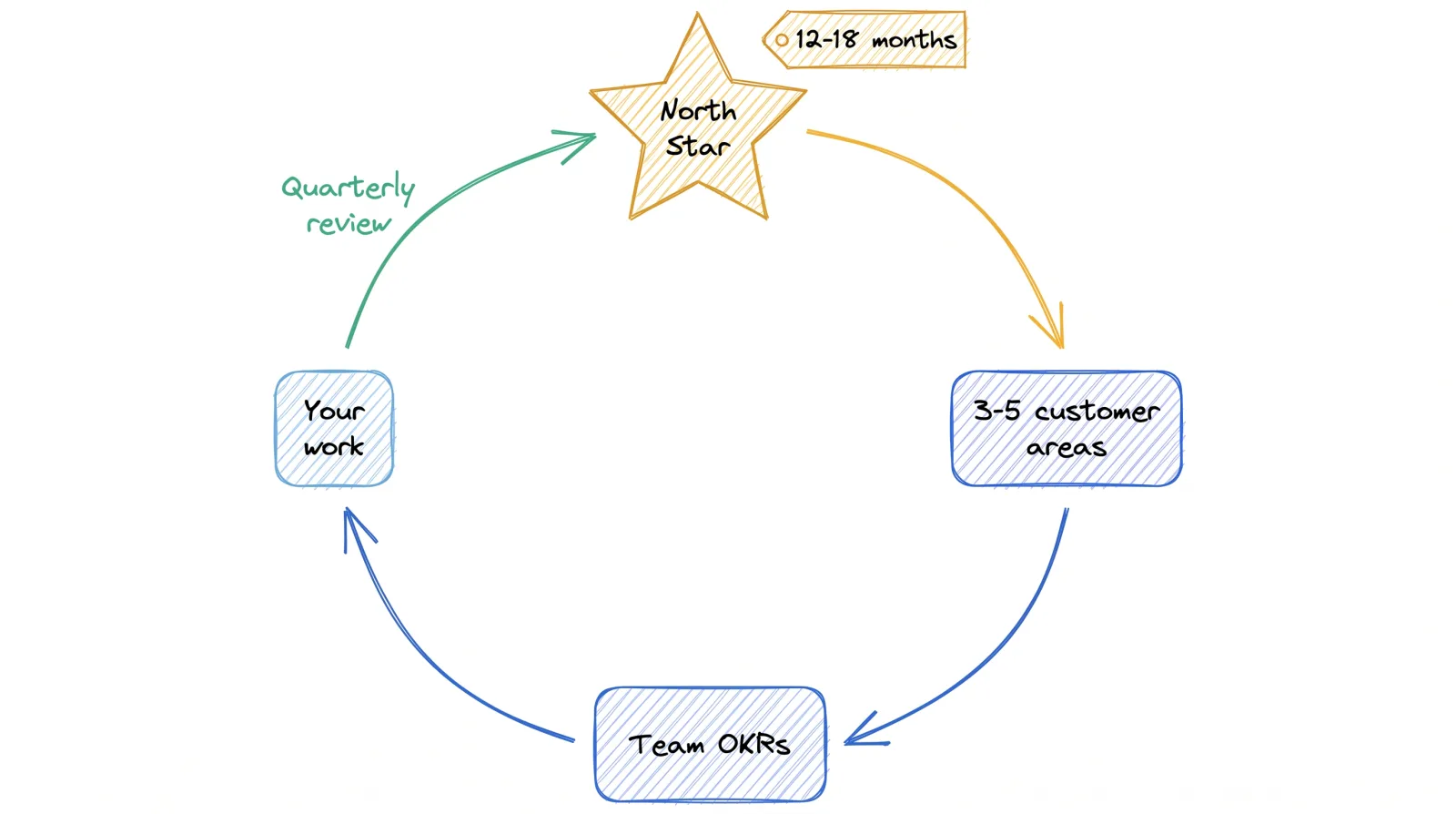
If you don’t know where you’re headed, you’ll say yes to the wrong things. One good answer here shapes your next five jobs.
If you’re not sure how to define that next step, read: The Secret Weapon for Getting Promoted .
3. Still love coding, or ready to lead?
Some engineering managers thrive on writing code. Others are ready to focus on growing people, systems, and strategy. Which one are you?
Both paths are valid, but companies can have very different expectations of their EMs. Some want technical leads, others want org builders.
When I guide EMs through this, we also look at things like:
- Comfort with agility
- Leading ceremonies
- Communication style
These details matter. They help us find the right fit.
4. Are you product-minded or project-led?
Do you want to own and evolve a product? Or deliver initiatives and move on? Project roles focus on delivery. Product roles focus on impact and iteration.
Which energizes you more?
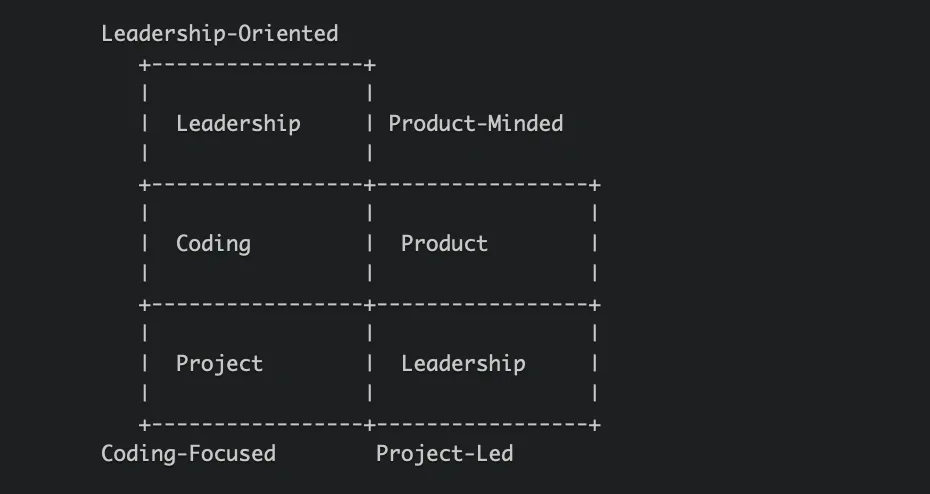 Decision-making quadrant for EM roles
5. What’s your ideal work environment?
Know your strength. Know your preference.Then find the role that truly fits your career and your lifestyle.
Are you more productive remotely, in a hybrid setup, or fully on-site?
Each comes with different rhythms and cultural expectations. Be honest about what works for you and filter roles accordingly.
6. Startups, scaleups, or slow-moving giants?
Startups need adaptable generalists. Scaleups need people who can stabilize and grow. Enterprises need people who can handle complexity and systems.
Early-stage startups especially need EMs who can lead while still doing: managing, coding, hiring, and evolving the product all at once.
Where do you thrive?
7. Local hero or global player?
Are you open to working with international teams or relocating in the future? Your comfort with English, cultural adaptability, and even digital nomad dreams all play into this.
In startups, especially those with global ambitions, your adaptability matters even more.
Again, think beyond the job. Think about the lifestyle.
8. What’s your unique differentiator?
Before you apply for any role, have a strong 1-minute version of your story ready.
What makes you better than other EMs? Not “ hardworking” or “ a people person.” I mean something real.
- Scaled a team from 5 to 50?
- Built a platform from scratch?
- Turned around a toxic org?
If you don’t know your edge, hiring managers won’t either.
9. What will you deliver in the first 90 days?
What’s your ideal timeline for signing and starting? More importantly, what would success look like in your first 90 days? Having a clear plan shows intent and readiness, and sets you up for success from day one.
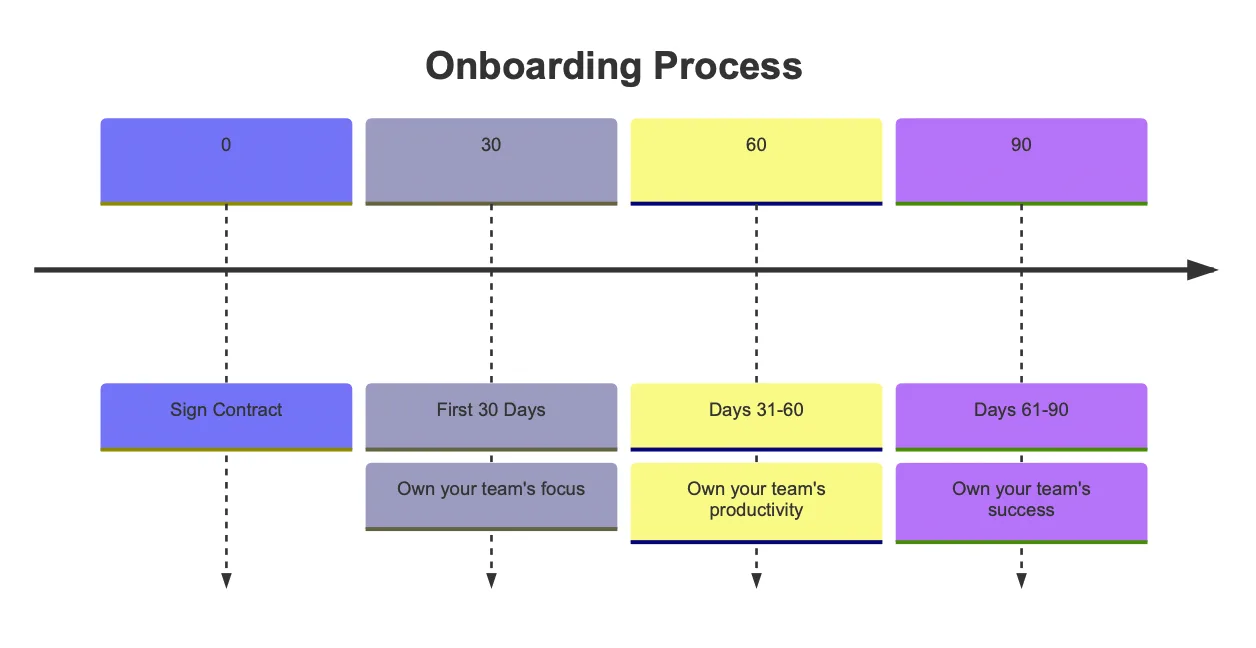 30-60-90 day roadmap for your new role
For tips on making a strong start in a new role, check out my guide: How to Lead Your New Dev Team .
10. Are you really ready to leave?
One final gut check I always ask:
“Are you sure? Will you feel the same way tomorrow morning?”
If not, wait. But if the answer is yes, make the transition clean. Leave gracefully. Help your team. Recommend your replacement if you can.
Don’t burn bridges. Just acknowledge the mismatch and exit like a pro.
For a full guide on how to leave the right way, check out: CTO Exit Strategy: 10 Proven Steps .
Make your next move count
Go through all 10 questions before you open a single job board. STOP playing it safe. STOP applying to random jobs. START targeting opportunities that make sense for you, and for the kind of company or startup you want to grow with.
If you want to talk through it together, my DMs are open.