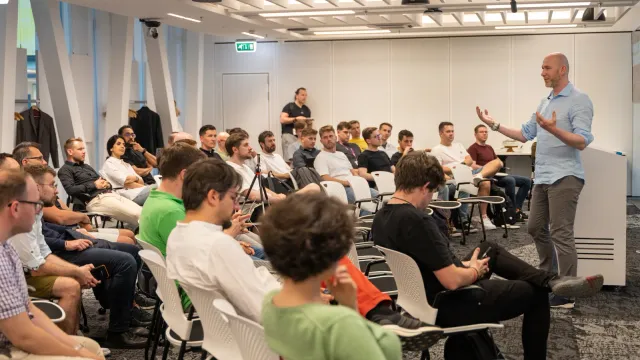
In August 2025, about 14,800 people a month searched for “forward deployed engineer”. By July 2026 it was 165,000. I pulled those numbers from Google’s own ad data while researching what my mentees keep asking me about, and I did not believe the first read, so I ran it again against a second market. Same shape.
Eleven times growth in a year is not a job market moving. It is a word moving.
What the job covers
A forward deployed engineer is an engineer who works inside the customer’s environment instead of behind a roadmap. You sit with their team, learn their domain well enough to argue with them about it, and then build or bend the product until it does the job in that particular place. Sometimes that means writing production code in your company’s repo. Sometimes it means writing glue that gets thrown away when the engagement closes.
Palantir made the title, and for years it stayed a Palantir word. The AI labs picked it up because they hit the same wall: the model is capable, the customer cannot get it to do their work, and no amount of documentation closes that gap. Someone has to go and sit there.
That is the whole idea. The rest is negotiation about how much of it is engineering and how much is consulting.
Why the searches exploded before the jobs did
Search volume for a job title measures curiosity. It does not measure hiring, and the two come apart badly when a term gets popular. A lot of that 165,000 is engineers reading about a role they saw on a podcast, plus people checking what it pays. The questions Google shows alongside the term are mostly about money and demand, which tells you the audience is browsing careers rather than filling seats.
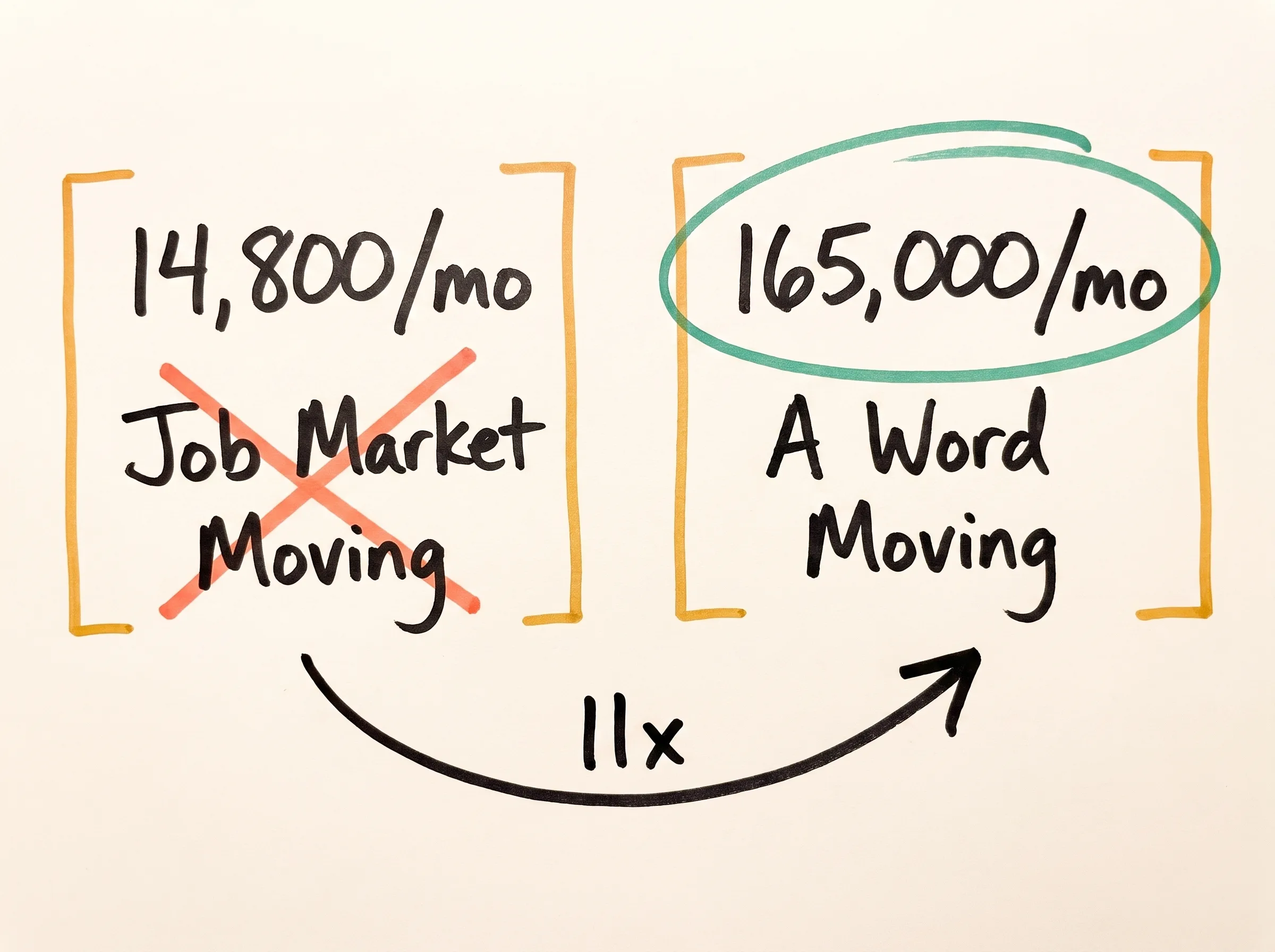
So treat the number as a signal about attention. Companies without Palantir’s delivery model have started using the title for jobs that used to be called solutions engineer, integration engineer, or customer engineer, because the new name recruits better. Read the responsibilities. The title is doing marketing work.
What it does to a career
The learning rate is the real argument for taking one of these jobs. You get feedback from someone whose quarter depends on the thing working, which is faster and less forgiving than feedback from a backlog. Engineers who spend two years doing this come back with judgment about what customers will tolerate that their peers on platform teams do not have.
The cost shows up later, at promotion time. Staff and principal cases are usually argued on scope across an organisation: the systems you influenced, the engineers whose work changed because of yours. Forward deployed scope is deep inside one account, and it can be hard to write down in a way a committee recognises. I have mentored people through this exact conversation, and the ones who came out well had started collecting the org-level evidence early, on purpose, while the work was still fresh.
Ask before you sign: what level do I hold when the engagement ends, and who writes my promotion case.
Who should stay away
If you need a clear spec, this will grind you down. The work arrives half-formed, from someone who is not an engineer, in a domain you do not know yet.
If you are two years into your career, it is usually too early. You are being asked to make judgment calls in a room where you are the only technical person, and judgment comes from having been wrong somewhere safer first.
And if travel is a problem, say so in the first interview rather than the fourth.
The part I do not know yet
Whether “forward deployed engineer” survives as a title or gets absorbed back into product engineering the way “full stack” absorbed a dozen older names. My guess is the second, because most companies using it now do not have the delivery model the term was built for. But guessing about titles has a bad track record, and I would rather write down what the job involves than bet on what it will be called in three years. At the AI labs that picked this title up, many engineers and researchers carry another one that says nothing about level, member of technical staff.
If you are weighing this move against staying on a staff track, that is a conversation worth having with someone who has watched a few people make it. Book an intro session and bring the two job descriptions.