Chief AI Officer, VP of AI

Chief AI Officer Coach. For the executive who answers for AI on the board deck.

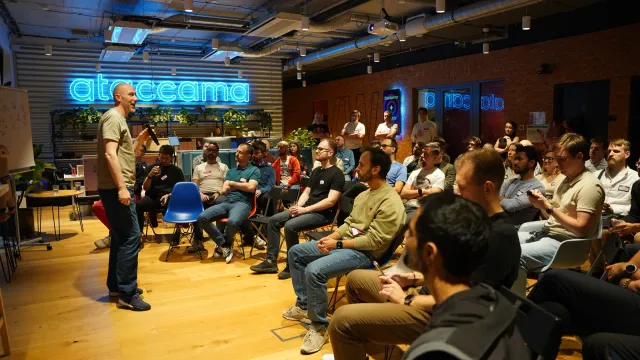
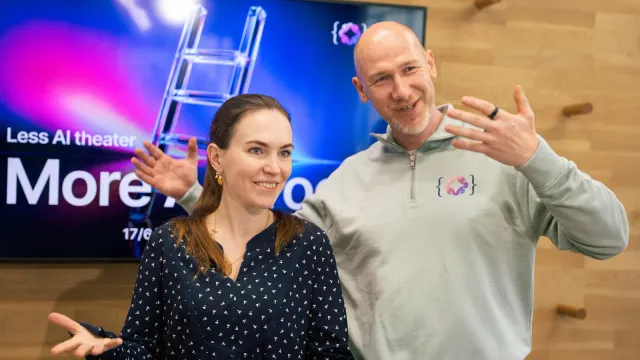
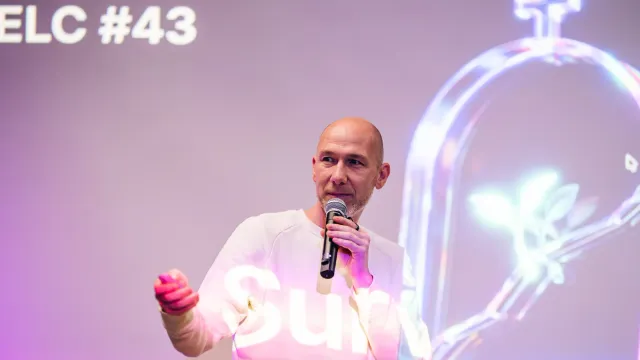
Marian Kamenistak at the Engineering Leaders Community conference 2026.

Three out of four surveyed organisations now have a Chief AI Officer, up from one in four a year ago. Most of them created the seat faster than they defined it. You lead people across functions, technology you do not directly run, and agents that every team is starting to deploy on its own.

A Chief AI Officer coach is a second opinion with no stake in the answer, from someone who has held the CTO seat, built the platform, and still spends his weeks in the agent tooling: the mandate, the board narrative, governance that ships, and the technical read you cannot get from your own reports.

9.2/10 from 300 mentees who rated the work.

Four situations that fill a Chief AI Officer's first year

Composite situations. The patterns and the numbers are real and sourced; the people are not. Mentoring is confidential.

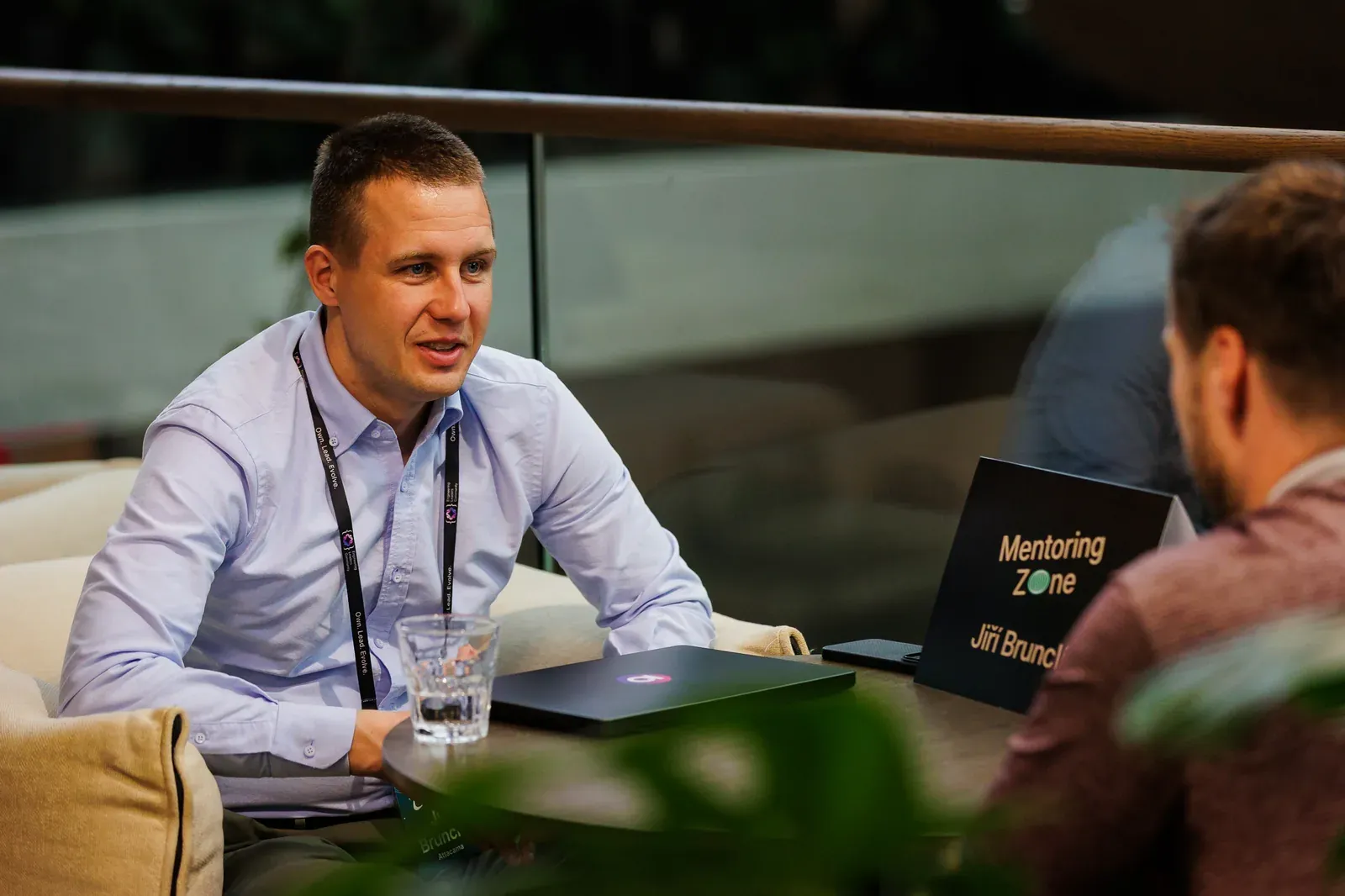
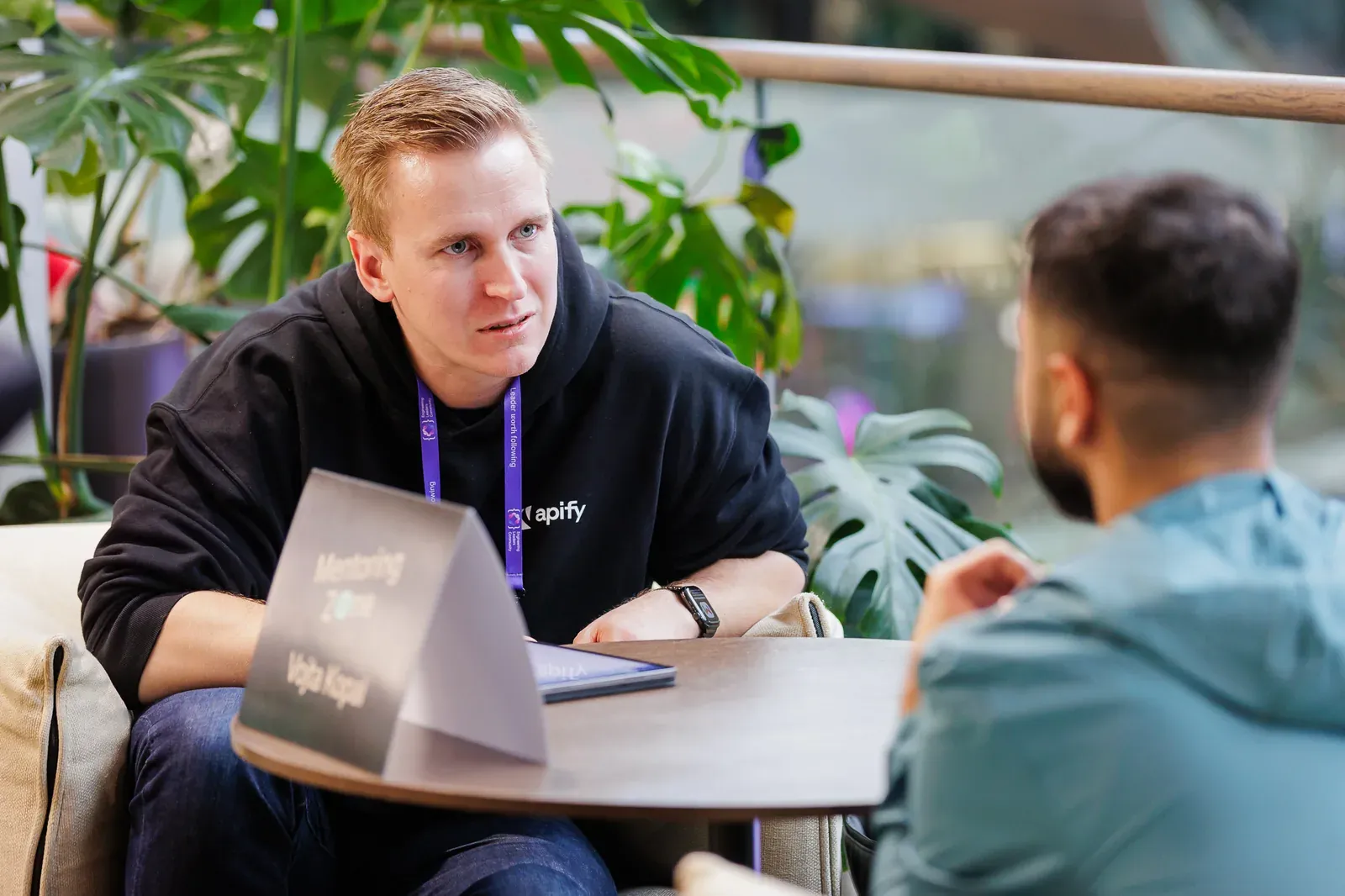
Marian Kamenistak in a 1:1 mentoring session.

You were appointed to make AI happen and every function head thinks you came for their budget

The CEO announced the role at the town hall. By the end of the week the CFO had asked whether the AI budget now sits with you, the CTO had asked whether the platform team moves, and the head of customer service had stopped replying to your calendar invites.

IBM's 2026 survey found 76 percent of surveyed organisations now have a Chief AI Officer, up from 26 percent a year earlier. That is a lot of companies creating a seat in a hurry, and the seat arrives with a mandate and no boundaries. Boundaries are the first quarter's work.

We write your operating model before your strategy. What you decide alone, what you decide with the function head, what they decide and only tell you. One page, signed by the CEO, circulated to every exec. Then the roadmap, which now has co-owners instead of opponents.
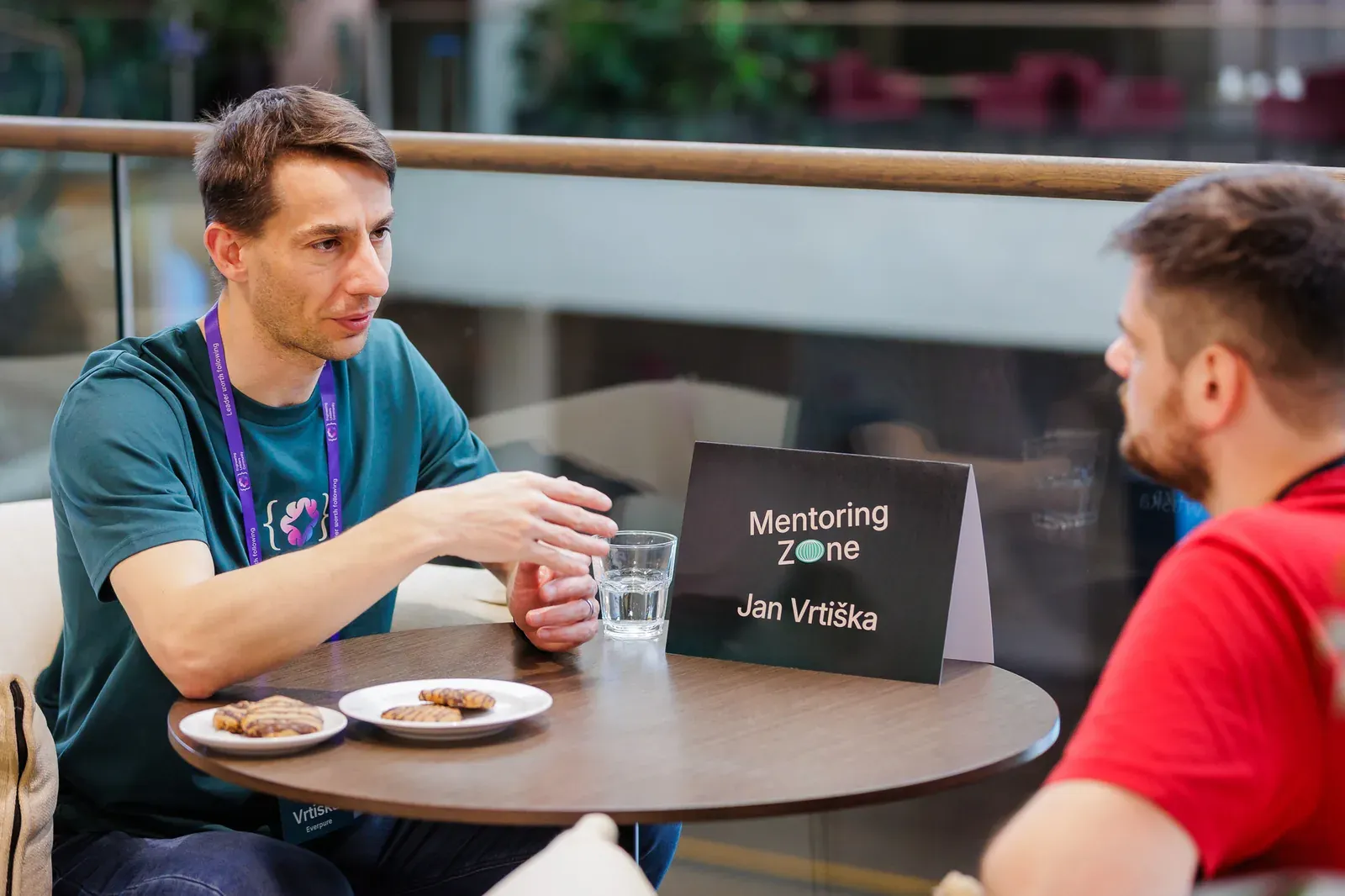
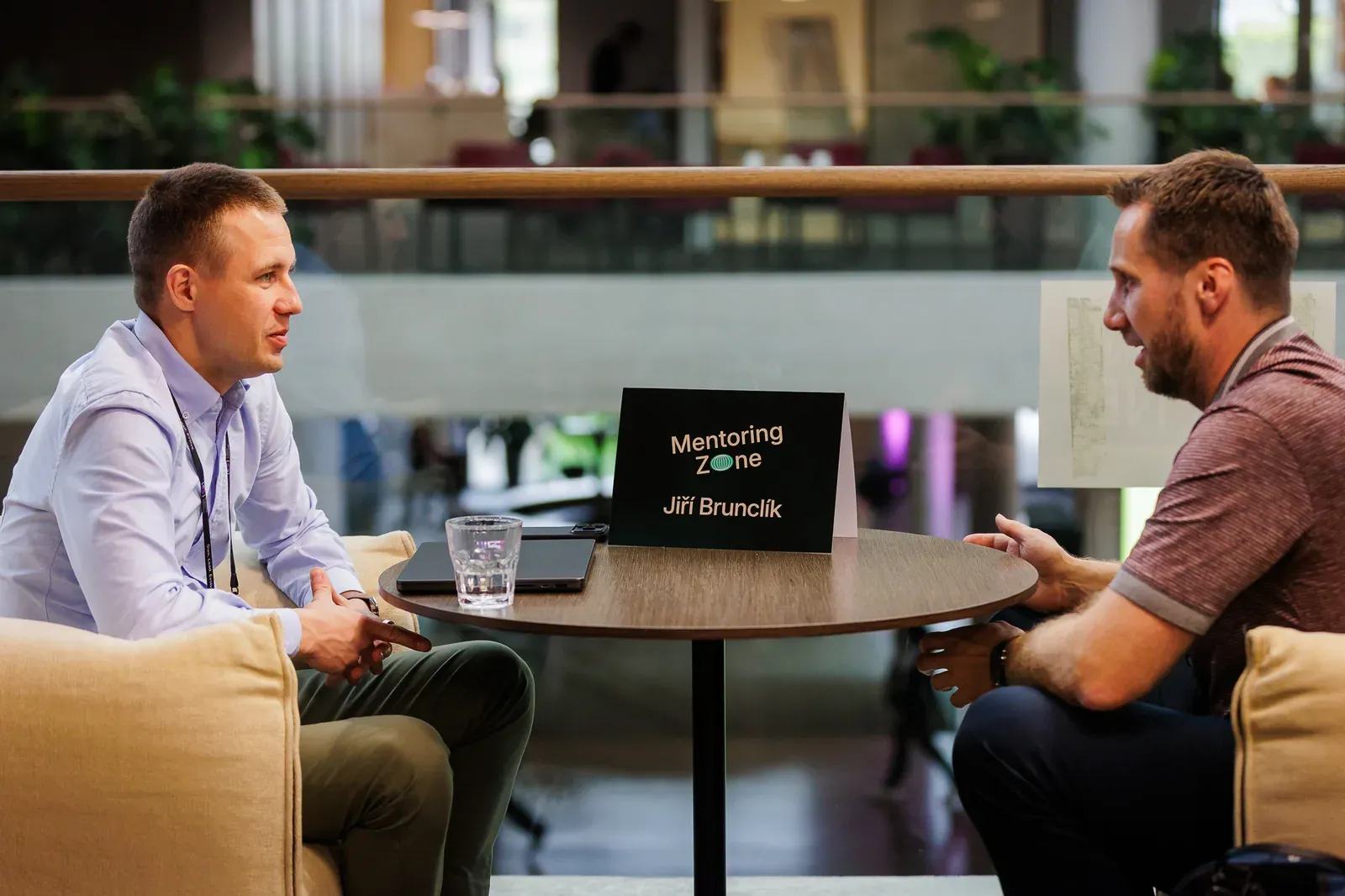
Marian Kamenistak in a 1:1 mentoring session.

The board wants ROI in the second quarter and the honest number arrives in the sixth

Every vendor deck promised 30 percent. Your board read the decks. Now there is a line in the board pack that says AI return, and it is your line.


The honest answer is that most of the return in year one is cost avoided and cycle time, and both take two quarters to show cleanly. The dishonest answer is adoption percentage, and it works exactly until someone puts it next to a flat revenue line.

So we build the board narrative with a leading indicator the board can watch monthly and a lagging one you commit to for the sixth quarter. Rework rate on AI-assisted work, cost per outcome for the two processes you automated first, and a named date for the revenue figure. Then we rehearse the meeting where you say the number is coming later than the deck promised, because saying it early costs you a bad afternoon and saying it late costs you the seat.

Marian Kamenistak in a 1:1 mentoring session.

Governance became your job overnight: the EU AI Act, model risk, and forty vendors nobody vetted

Legal wants a register of every AI system in the company. Security wants to know which vendor sees customer data. Engineering wants to keep shipping. Gartner expects 70 percent of software engineering leader roles to require generative AI oversight by 2027, up from under 40 percent, and that oversight rolls up to you.

Governance done as a committee produces a policy nobody reads and a backlog of approvals that makes teams route around you. Governance done as a product produces a short list of approved paths that are faster than the unapproved ones.

We build the second version. A risk tier per use case, three tiers, each with a named approver and a turnaround. An inventory that updates itself because the approved gateway logs it. A one-page policy that fits on one page because everything else lives in the tiers. Two sessions to draft, a quarter to land.

Marian Kamenistak in a 1:1 mentoring session.

You need a technical read you cannot get from the people who report to you

Your head of AI says the model gateway is fine. Your CTO says the platform needs a rewrite. The vendor says their agent framework is production ready. Each of them has a stake in what you believe, and none of them is lying.

This is the part of the role that has no framework. It is a second opinion, every fortnight, from someone who has been the CTO, run the platform, and spent the last two years hands-on in the agent tooling, and who has no stake in which answer you pick.

Bring the decision. We pull the two threads that matter, look at the code or the architecture where it helps, and you go back with a question your team cannot wave away. Some fortnights that is the whole session.

The questions I hear most from Chief AI Officer, VP of AI

These are the exact asks from mentees in the last 12 months. Bring one to the intro call and we start there.

How mentoring with me works

Free 30-min intro. Two KPIs to move in 3-6 months. Small homework after every session. The full method, step by step:

See how mentoring works →

Frequently asked

What does a Chief AI Officer do?+
Owns AI across the whole company, including the functions with no engineers. Strategy, investment, governance, and the board answer. The CTO owns engineering and the Head of AI owns AI delivery inside it. Where those three seats overlap without a written boundary, the boundary is the first thing we build.
Does a company of 200 people need a Chief AI Officer?+
Rarely as a full seat. Under a few hundred people the job is usually carried by the CTO or a Head of AI with a direct line to the CEO. The seat earns itself when AI decisions land in three or more functions that do not share a boss. If you are being offered the title at that size, we look at what the CEO is trying to solve with it before you accept.
Chief AI Officer coach or mentor: which one is this?+
Both, and the order matters. Advice first, from someone who has held the neighbouring seats, because in year one of the role you need answers more than reflection. Open questions later, once we both know your organisation. The Head of AI version of this page: Head of AI mentor.
How common is the role now?+
IBM's Institute for Business Value reported at Think 2026 that 76 percent of surveyed organisations have a Chief AI Officer, up from 26 percent in 2025. The sample size was not disclosed, so treat it as a large-enterprise figure. Source: IBM, The rise and ROI of the chief AI officer.
What does a Chief AI Officer coach cost?+
Public pricing. 395 EUR per session, or a quarter of 6 sessions for 1,975 EUR, 5 paid and 1 free. Any session you rate under 7 out of 10 is not charged. Against an executive comp package, one board meeting that lands pays for the year. Details on the pricing page.

Explore other roles

Why me

Marian Kamenistak, mentor for Chief AI Officer, VP of AI

9.17/10 average across 300+ mentees. 3,400+ mentoring sessions since 2019.

  • Been in the seat. Built Mews into a $2bn+ unicorn: 8 to 80 teams, roadmap still shipping. Led engineering at Manta before that, acquired by IBM.
  • CEE-native, US-fluent. 4+ years in the Bay Area as Principal Software Architect at Databricks.
  • Still highly technical. AI freak. Bullshit me on estimate, effort, code quality or architecture and I'll ask to see the code or your AI skill set.
  • Financially independent. I don't need your money. I'm financially retired. Seeing you grow is my payoff.
  • Direct. Mentoring first. I boost you fast. No esoteric loops.
The full story →

The one discount, on every package

16 minutes. 10% off.

One quarter lists at €1,975. Build the inquiry with my AI and the same six sessions come to €1,778 — €296 a session. No more than 16 minutes from the first question to a formal itemized offer in your inbox.

Ready to start?

Free 30-min intro. No pricing conversation on the first call. We figure out if we can move your specific problem forward. That is it.

From the blog

All posts →