
Engineering leaders carrying the human load of the job

Life and Wellness for Engineering Leaders. For the weight the job puts on you, not the roadmap.

Burnout you cannot afford to quit for. A laptop that follows you to dinner. An imposter voice that did not leave when the title arrived. The quiet week you hit every goal and felt nothing. The isolation of being the most senior person in the room.

This is the track for the weight the job does not put on the org chart. 3,000+ mentoring sessions since 2019, and a big share of them start right here, with the human, not the roadmap. Ex-VPE at Mews, ex-Manta acquired by IBM. I have sat in the empty tank myself.


Situations you are likely in, and how we tackle them

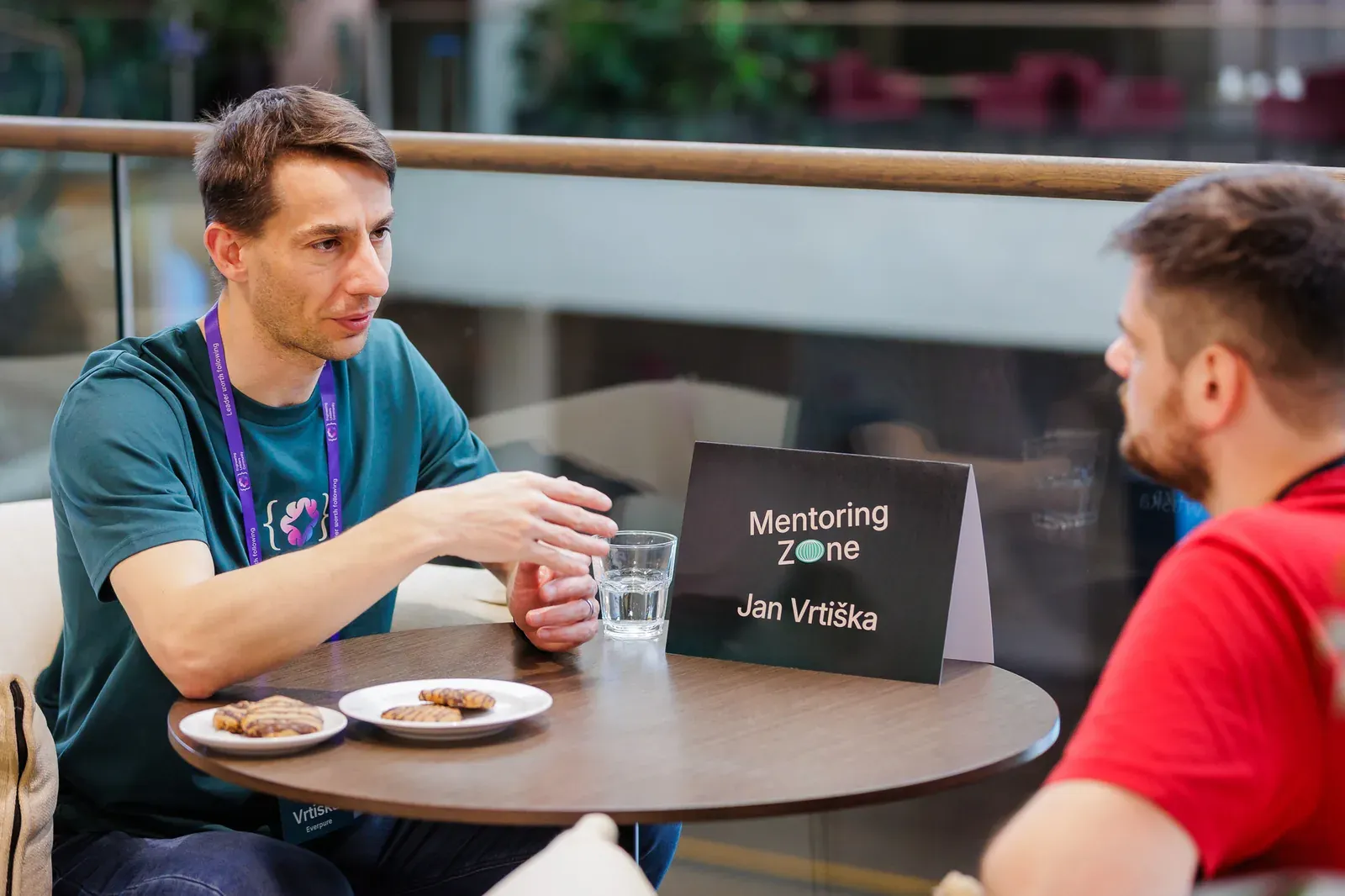
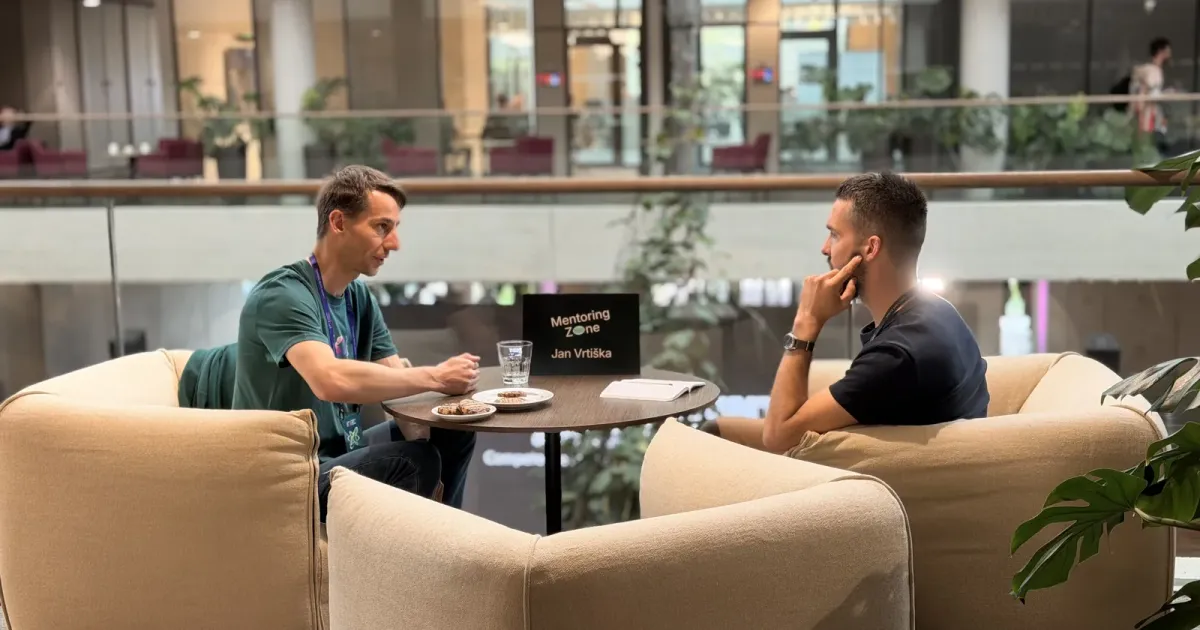
Marian Kamenistak in a 1:1 mentoring session.

You are running on empty. And you cannot afford to quit.

I am at 60% capacity and my calendar is still 100%. I cannot take 3 months off without losing the mortgage. The job is not the enemy, the way I am doing it is. I know all this and I still cannot make the changes stick past Wednesday.

You have probably tried

  • Taking a 5-day vacation and coming back to 400 unread emails
  • Reading burnout-recovery books at midnight (ironic)
  • Delegating one thing and then re-taking it back the next week
  • Convincing yourself "just get through this quarter"

How we tackle it

We build the recovery plan that fits inside your existing job. One recovery ritual, one calendar cut, one delegated conversation per week. We install one "I take the L on this" so you learn to drop things. We agree the specific KPIs that mean "I am back."

Target: By week 8: at least one visible calendar cut, one delegated thing that stayed delegated, Sundays back to being Sundays.

Marian Kamenistak in a 1:1 mentoring session.

The laptop follows you to dinner. Sunday is just pre-Monday now.

I answer Slack at 11pm because if I do not, tomorrow is worse. My partner has stopped asking when I will be done. I have not been fully present at a single weekend in months. Everyone says "set boundaries" like it is a setting I forgot to switch on.

You have probably tried

  • Installing a focus app you disabled by Tuesday
  • Blocking "no-meeting Fridays" that got booked over anyway
  • Promising yourself you would stop at 6pm (you stopped at 9)
  • Taking the phone to the bedroom "just in case"

How we tackle it

We find the two or three things that actually generate the 11pm pings, and we cut them at the source, not with willpower. One boundary that holds because the org can survive it. One ritual that ends the workday on purpose. We agree what "off" looks like and what is allowed to break it.

Target: Within 6 weeks: one weekend fully off the laptop, one recurring evening back, a workday that ends when you say it does.

Marian Kamenistak in a 1:1 mentoring session.

You have imposter syndrome in a role you actually earned.

I got the promotion, the title, the seat. Every Monday I am convinced someone will realize I should not be here. It has not gone away in 6 months and pretending it will is not working. I cannot say this to anyone at the company. My partner is tired of hearing it. My therapist does not understand what a monorepo is.

You have probably tried

  • Reading imposter-syndrome articles that told you it is normal
  • Working harder to "prove" you belong
  • Waiting for a specific accomplishment to make the feeling go
  • Trying to fake confidence in the exec meeting

How we tackle it

We separate the actual gaps (learnable) from the imposter voice (a background process, not the reality). Weekly session as an outlet with someone who has coached 3,000+ people through the same loop. One skill gap tackled per month.

Target: By month 3: one measurable skill closed, a written "here is what I actually know" artifact, and Sunday-evening dread noticeably lower.

Marian Kamenistak in a 1:1 mentoring session.

You got everything you aimed for. And you feel nothing.

I hit the title, the comp, the seat I wanted for years. I keep waiting to feel like I arrived. Instead I feel like a well-paid project manager for other people's priorities. I do not know if I am burned out, bored, or just done, and I am scared the answer is "done."

You have probably tried

  • Taking a two-week holiday that fixed nothing
  • Reading books about ikigai and purpose at midnight
  • Telling yourself you should just be grateful
  • Waiting for the next promotion to make the feeling go

How we tackle it

We separate the three things people call "lost meaning": actual burnout, a values mismatch with the work, and plain boredom in a role you have outgrown. Each has a different fix. We map what energized you before it went quiet, then test one change a month against it. No quitting the job as therapy.

Target: By month 3: a clear read on which of the three it is, and one concrete move instead of a vague "find your why."

Marian Kamenistak in a 1:1 mentoring session.

You are the most senior engineer in the building and you have no one to talk to.

I cannot vent to my team, I lead them. I cannot vent to my CEO, I report to them. My peers are technically competitors for budget and headcount. My partner is tired of hearing about work they cannot picture. So I carry all of it alone and call it "being senior."

You have probably tried

  • Venting to your team once and regretting it for a month
  • Googling your exact problem at 1am and finding US takes that ignore your context
  • Joining a Slack community you never actually post in
  • Convincing yourself that lonely is just what senior feels like

How we tackle it

You get a weekly room with one person who has sat in the same seat and will not repeat it or manage you. We work your live problems out loud. And when it helps, I plug you into the ELC network, 2,000+ engineering leaders who have handled the same fires, so you stop being the only one who has seen this.

Target: From week one: one standing hour where you can say the real thing, plus a peer network for when you want more than one brain.

The questions I hear most from Engineering leaders carrying the human load of the job

These are the exact asks from mentees in the last 12 months. Bring one to the intro call and we start there.

How mentoring with me works

Free 30-min intro. Two KPIs to move in 3-6 months. Small homework after every session. The full method, step by step:

See how mentoring works →

Frequently asked

Is this therapy?+
No. I am not a therapist and this is not therapy. I coach engineering-leadership humans through engineering-leadership situations: the burnout, the isolation, the "is it the job or is it me." If you need therapy, get therapy. This runs alongside it well.
Is this a soft feelings hour, or do we actually do something?+
We do something. Every session ends with one small, specific move. This is the same method as my role-specific mentoring, pointed at the human load instead of the org chart. Not a vent with no exit.
I do not want to look weak. Is this confidential?+
Fully. Nothing you say leaves the room, and I have sat where you sit. Ex-VPE at Mews, walked away from a $350k role in 2023, and carried the debt and the doubt that came after. You will not shock me.
Can we talk about whether I should just quit?+
Yes. If the honest answer is "get out," I will say so and help you plan it. Most of the time the fix is smaller than quitting. I will not pretend it never is.
What if I do not know what is wrong, just that something is?+
That is the most common starting point. The first session is often just naming it: burnout, boredom, a values mismatch, isolation, or a few at once. You do not need a clean diagnosis to start.

Explore other roles

Why me

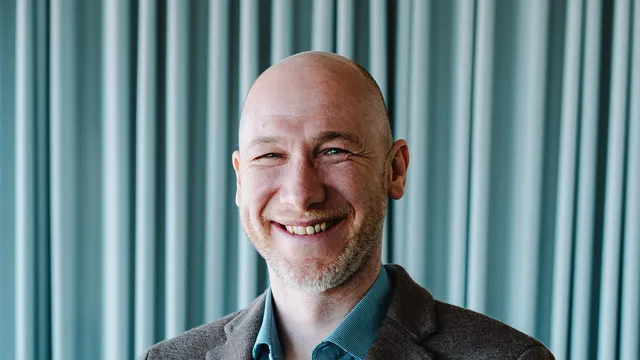
Marian Kamenistak

Ex-VPE at Mews (Series C). Ex-Manta, acquired by IBM. 3,000+ mentoring sessions since 2019.

The full story →

Ready to start?

Free 30-min intro. No pricing conversation on the first call. We figure out if we can move your specific problem forward. That is it.

From the blog

All posts →

Updated: