AI Engineering Manager: The 2027 Career Fork
You manage people, a fleet of agents, and the technology under both. By 2027 the job has split in two, and one of its shapes stops getting funded.
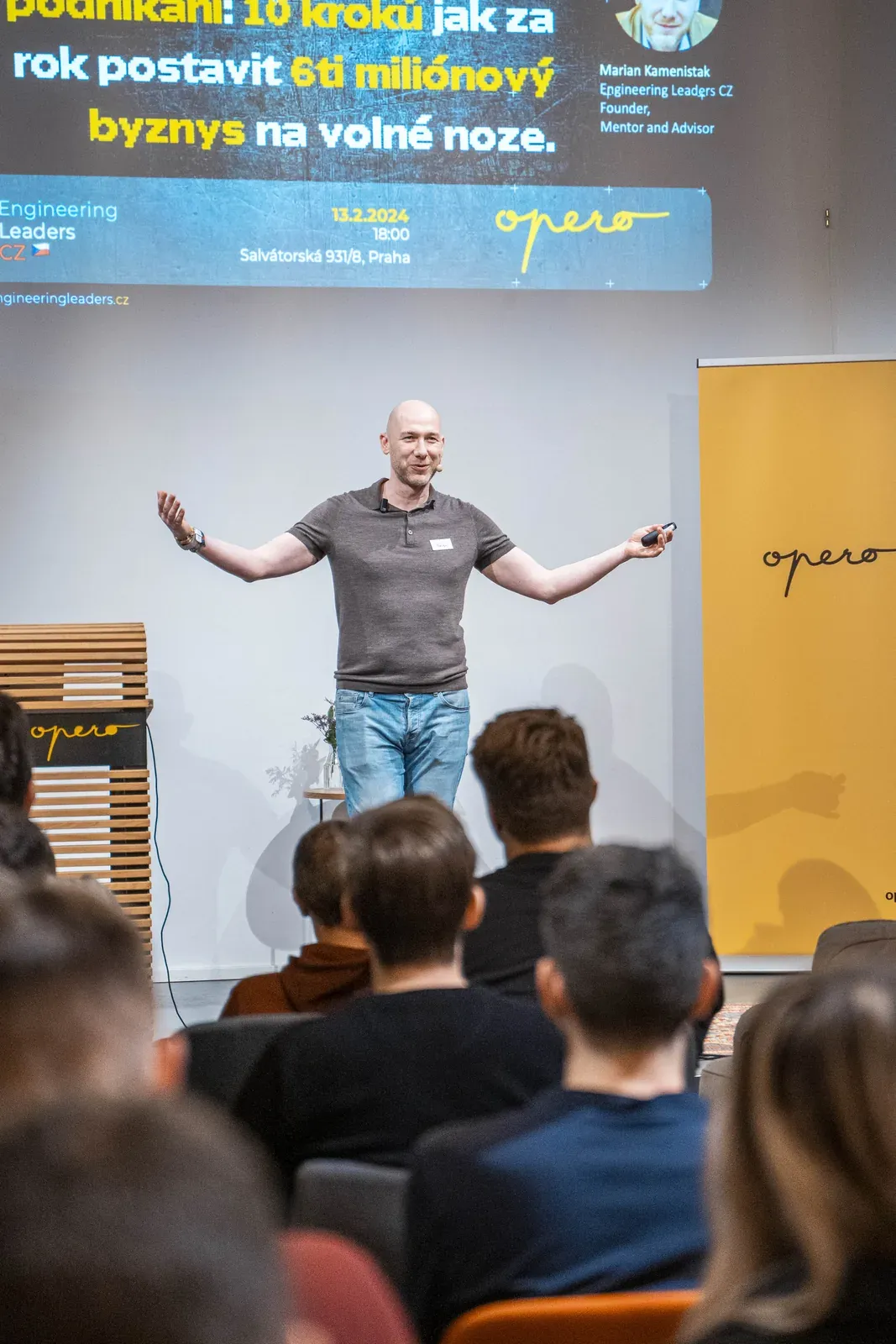
What happens to the engineering manager job by 2027?
The question comes up in mentoring more than any other right now: what does my job look like in a year? Two different jobs already share this title. One leads a team of human AI engineers building models, and it is being hired for in Prague right now. The other has no job postings yet: three to five mostly agentic teams, your span in humans stays around eight, and a fleet arrives on top of it. What changes underneath you is the bottleneck. Once coordinating people stops being the constraint, review capacity becomes it, and somebody has to decide what gets deep review, what gets sampled, and what gets trusted on reputation. In most orgs that call is being made by default rather than by design. Then there is the third shape, the one most managers hold today: one manager, one human team of six to nine, optimising coordination inside it. In the 2027 budget that row reads "under review".
You leave with the fork diagnostic itself: span, what you optimise, what breaks first, who funds it in 2027. Four rows, three columns, and you read the one you spend your week in rather than the one on your business card. And one sentence to put to your own director, before someone else answers it for you: over the next four quarters, is my scope going wider across teams, or deeper into technical direction?
Why this talk, not a generic version of it
Most AI-and-management talks land on reassurance: leadership is human, empathy does not automate, the assistant helps you. I put that question to ChatGPT with web search on three times in September 2026 and got the same soft answer three times, none of them citing a source. This one argues the opposite and names the shape under pressure out loud: one manager, one human team of six to nine, doing the job the way it was done in 2022. Nobody calls a meeting to tell you your shape stopped being funded.
Built for engineering managers and directors who already suspect the question is coming and have not said it out loud. The room leaves with one sentence to take to their director, whether their scope is going wider across teams or deeper into technical direction, and with their own answer to it. Most people skip that conversation because asking feels like inviting a decision. The decision arrives anyway.
What the room walks out with:
Read the 2027 career fork →Quick answers
- Who is "AI Engineering Manager: The 2027 Career Fork" for?
- Engineering Managers, VPs of Engineering, Staff+ engineers
- What format is it delivered in?
- 45-60 min keynote or 90-min hands-on workshop
More talks
- From Employee to a Person of AI Skills Delivering Value.
- 12 Steps to Boost Your Salary in 2027
- Learn or Die: 11 Steps to Create a Strong Learning & Growth Culture
- Inspiration: From Developer to Principal Architect in Silicon Valley to Unicorn Builder
- 90-Day Playbook for Building a High-Performing AI Team
- Boosting Your Teams' Productivity? Why DORA Will Not Save Your A**
- The Tech Lead Who Never Let Go of the Keyboard
- Is Your Coach Worth the Money?
- Most 1:1s Are Just Surviving. Let's Change That.